Man With Van Marylebone

Man With Van Marylebone provides a practical removals service for homes, flats and small business moves in Marylebone and the surrounding central London streets. The focus is on careful loading, sensible vehicle use and tidy handling of items that need to travel securely from one address to another. Whether the job involves a single bulky item or a fuller relocation, the service is built around straightforward transport, clear planning and an organised approach to access, lifting and placement.
We work with customers who need a flexible man and van option rather than a full-scale removals crew, and the service can suit straightforward collections, part-load moves and room-by-room transfers. It is also useful when access is limited, when parking needs to be thought through in advance, or when furniture has to be moved with care through shared entrances. If you need a quotation, start with the details of what is moving and where it is going.
For a first conversation, it helps to group the items by room or type and note anything especially heavy, fragile or awkward to carry. That gives a clearer basis for scheduling, vehicle choice and labour planning. You can review pricing and quotes if you want to understand the kind of information that is usually needed before a job is priced.
House removals and home moving support
For household work, the service covers the handling of furniture, boxes, appliances and mixed domestic contents that need to be moved in an orderly way. The emphasis is on protecting items while they are lifted, carried and loaded, rather than simply shifting everything as quickly as possible. That matters in Marylebone, where entrances, stairwells and on-street loading can vary from one property to another and where careful timing may be needed to keep the move manageable.
Domestic removals are often easiest when the work is broken into clear stages: preparation, loading, transport and placement at the destination. If you need a broader move, our home moves page outlines the domestic side of the service, while the main house removals option is suitable for larger changes of address. We also handle the practical side of carrying items in and out of buildings where furniture may need to be turned, wrapped or dismantled before it travels.
Common household requests include moving beds, wardrobes, white goods, dining sets, packed cartons and personal effects. When items are awkward, the plan usually needs to account for weight distribution in the vehicle, safe handling at doorways and the order in which things are loaded. If you are preparing for a house move, it is sensible to separate what stays with you from what must be transported so that the quotation reflects the actual task.
Flat moves, access and careful loading

Many Marylebone moves involve flats rather than houses, so the service often has to work around stairs, lifts, controlled entry and shared corridors. This is where a compact and organised removals approach can be useful. It allows items to be moved without overcomplicating the job, while still paying attention to the practical issues that make flat moves different from simpler roadside collections. In some cases, the route from the property to the van matters as much as the journey itself.
For that reason, man and van removals can suit customers who want a balanced service for smaller homes, studio flats, or a limited number of items that still need proper handling. If the move involves bulky furniture, please note whether it can be taken apart, whether lifts are available, and whether parking is close enough for efficient loading. These details help keep the move orderly and avoid surprises on the day.
Useful points to share when asking for a quotation:
- the collection and delivery postcodes
- the number of rooms or the main item categories
- whether there are stairs, lifts or tight access
- any large, fragile or difficult-to-carry items
- the preferred date and any time restrictions
Furniture pick-up and single-item transport
Not every booking is a full move. Sometimes the main requirement is to collect a sofa, table, wardrobe, appliance or boxed belongings and take them safely to another address. That is where a smaller transport job can save time and keep the process simple. It is still important, however, to plan the lift, the route to the vehicle and the space needed for loading, especially with older buildings or larger furniture pieces.
Our furniture pick-up service is a sensible fit when the work is mainly about collecting one or more items rather than emptying a full property. A moving van may be suitable for items that need extra room but do not require a large removals lorry, while the broader moving truck option is there for heavier or more expansive loads. The right choice depends on size, quantity and access, not simply on how far the items are travelling.
Single-item transport can be useful for buyers, sellers, landlords, tenants and anyone rearranging furniture between addresses. When items are delicate or unusually shaped, it is wise to say so at the outset. Glass tops, mirrors, framed pieces and fitted furniture can all need different handling methods, even if the transport distance is short. The quotation is usually clearer when the item list is specific rather than vague.
Office removals and business relocation

Business moves need a different rhythm from domestic removals because desks, storage, equipment and documents all have to be handled with order. Office relocation work is generally about reducing interruption while keeping possessions grouped correctly and moved in the right sequence. In a busy area like Marylebone, that often means paying attention to building access, loading space and the route between the old and new premises.
Our office removals service supports smaller offices, work rooms and commercial moves where the contents are manageable but still need proper care. If you are relocating a workplace, the office relocation services page covers the service type in more detail. For larger or mixed business jobs, the commercial moves option may be more appropriate, especially when equipment, records and office furniture all need to travel together.
Business customers often need a move that respects working hours, building rules and the practical need to keep items in the correct order. We can help with the transport side of that plan, including loading office furniture, boxed files and portable equipment. If special items are involved, such as monitors, printers or storage units, it is worth listing them separately so that the vehicle and labour can be matched to the job.
Packing, unpacking and preparing the move
Packing can make a big difference to how smoothly the day goes. Well-packed boxes protect contents and also make loading easier because they are easier to stack, label and place in the vehicle. Poorly packed items, by contrast, can slow everything down and make transport less secure. This is one of the reasons customers often prefer to combine removal transport with practical packing support rather than treat each part as a separate task.
If you need extra help before or after the move, packing and unpacking services can be used to organise the contents of the property into transport-ready form and then put them back in place at the destination. In addition, our removal services page reflects the wider scope of the work we undertake, while removals gives a broader overview of the general service structure. These pages are useful when the move is not simply point-to-point transport but a more coordinated relocation.
Before the job begins, a concise inventory is usually helpful. It does not have to be elaborate; a clear note of the major pieces, box count and access conditions is often enough. If there are items that need dismantling, wrapping or a particular order of loading, mention them early so the plan can be built around them. That saves time and makes the quotation more accurate.
Vehicle choice, load size and route planning

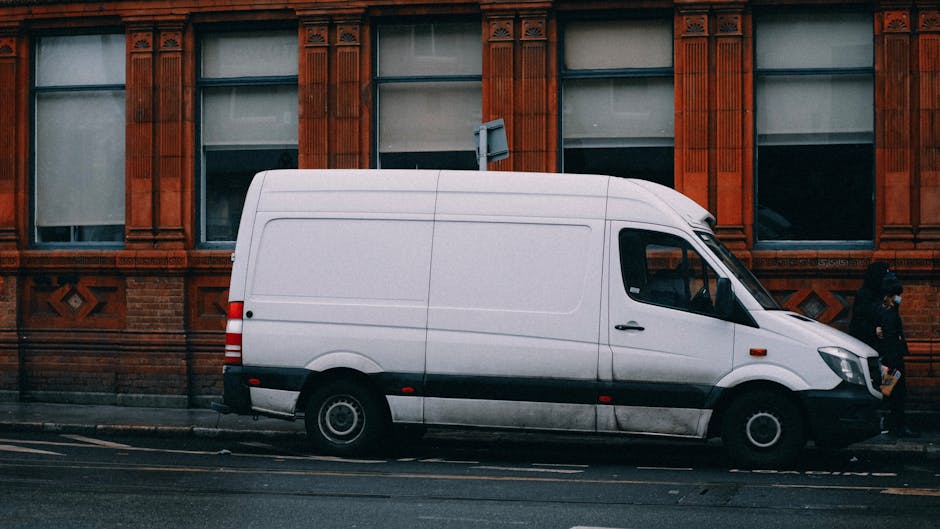
Choosing the right vehicle is part of a sensible removals plan. A smaller van may be ideal for a few items, partial loads or local collections, while a larger vehicle is better when furniture, boxes and appliances need to travel together. The aim is not simply to fit everything in, but to load the vehicle so items travel safely and can be unloaded efficiently at the destination. That balance matters for both short and longer journeys.
Where the work is centred on a van-based move, our man with a van and man with van pages reflect the core service in slightly different wording, while removal van and removals van refer more specifically to the transport vehicle used. We also provide moving truck and removal truck hire options for jobs that call for more carrying space. The selection should be based on the load, not on guesswork.
When planning the vehicle and route, consider: weight as well as volume, any low bridges or access restrictions, the distance from the door to the loading point, and whether more than one stop is needed. This sort of practical planning can reduce delays and make the move feel more controlled. If you are unsure which option is best, describe the largest items first and then add the rest of the load in order of importance.
Insurance, safety and handling standards
Careful handling is central to any removal work, especially when furniture, valuables or awkward items are being shifted through tight access. Good practice means lifting sensibly, protecting surfaces where needed and loading the vehicle in a way that supports the contents rather than placing strain on them. That approach is particularly useful in properties where the route out of the building involves stairs, narrow landings or shared hallways.
For customers who want to look at the practical safeguards behind the service, our insurance and safety page sets out the general framework, while health and safety policy gives a clearer picture of the working principles we apply. If you also want to know how online payments are handled, payment and security explains the secure side of the process. These pages are useful background when you want to understand how a removal job is organised responsibly.
Heavy or awkward items deserve particular attention. Wardrobes, large tables, appliances and boxed files all move differently, and some items may need to be turned, separated or protected before they can travel. Careful packing and loading are not extras; they are part of the service. If your move includes anything fragile or highly valuable, saying so at quotation stage helps us plan the right handling approach from the outset.
About Marylebone
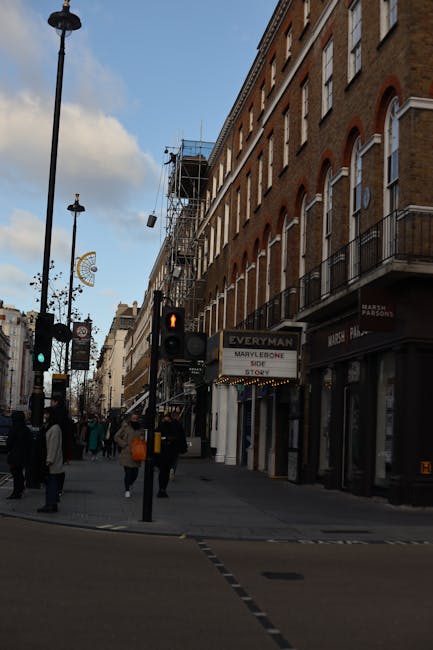
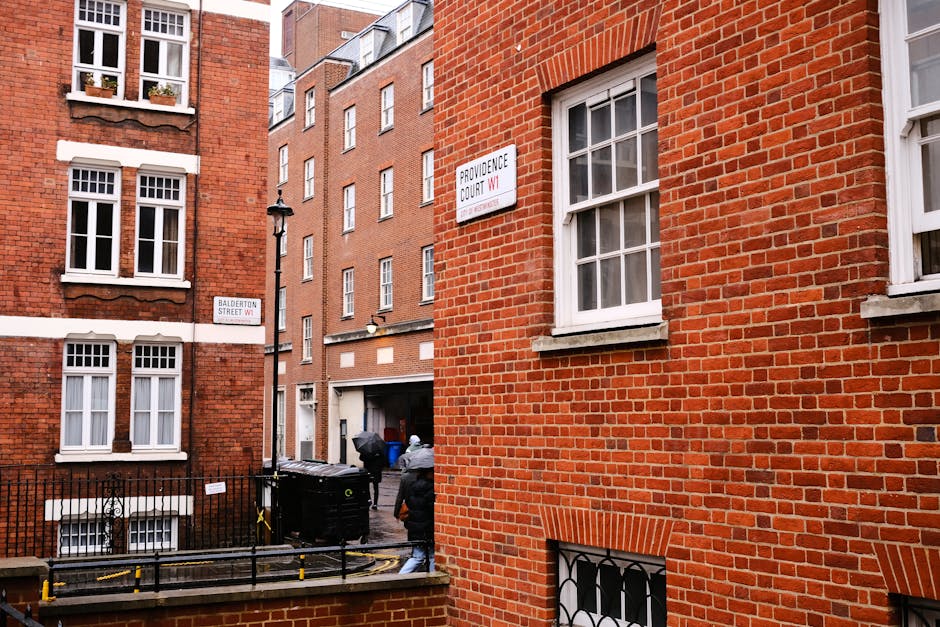
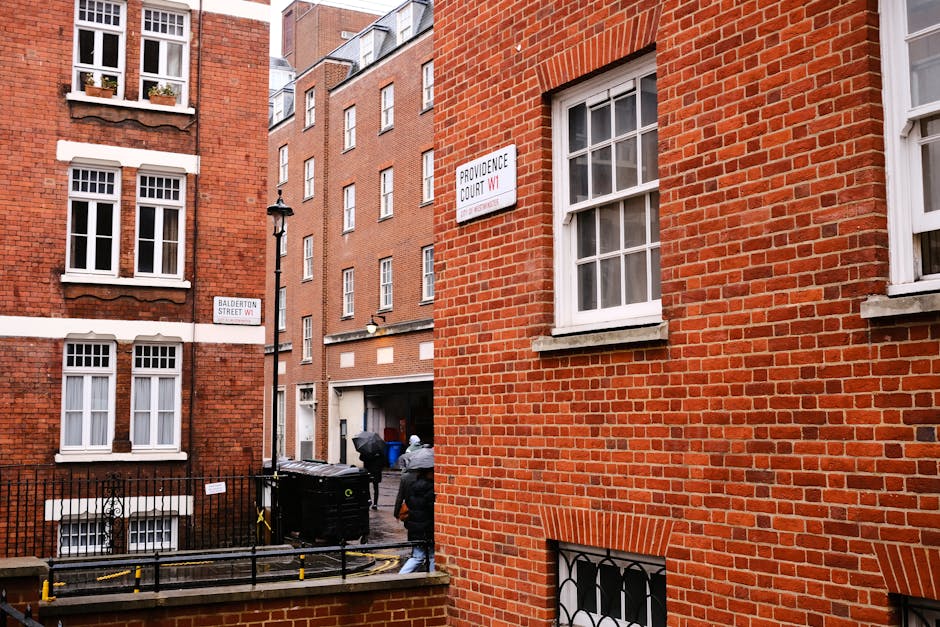
Marylebone is a central London district in the City of Westminster, known for its strong urban character, Georgian and Regency streets, and the contrast between elegant residential squares and busy commercial frontage. The area is closely associated with Marylebone Road and Baker Street to the north, while the district itself extends south towards Oxford Street and west toward the open spaces around Regent’s Park. Its street pattern reflects centuries of urban change, with terraces, mansion blocks and later infill development sitting alongside notable institutional buildings and retail streets. The district’s name is deeply rooted in local history and is often linked to the former village that grew up around the church of St Marylebone, giving the area a long sense of identity within central London. This historic core remains visible in the church, nearby squares and the preserved character of many streets that still carry a more settled, residential feel than some surrounding parts of the West End. The neighbourhood is also culturally distinctive, with major landmarks such as the Wallace Collection, Madame Tussauds and the shops and medical institutions around Harley Street contributing to its profile. Regent’s Park provides a large stretch of nearby open space, while smaller garden squares and side streets soften the pace of the built environment. Marylebone Station and the wider Underground network connect the district closely to the rest of London, and the area continues to combine living, working, leisure and visitor activity in a compact central setting.
Pricing factors, access details and quotation requests

Quotation work is usually clearer when the main factors are laid out in a practical order. Distance matters, but so do the size of the load, the number of items, whether anything needs dismantling, and the ease of access at both addresses. A move across a short distance can still take time if there are stairs, limited parking or several heavy pieces to carry. By contrast, a longer journey may be straightforward if the load is small and ready to travel.
Our pricing and quotes page is the best place to begin if you are ready to request figures for a move or collection. If you want to compare different service labels, house removalists, house movers and movers all point to the same broad type of transport support, while removal company and removal companies help customers looking for a general removals provider rather than a niche service. Each of these destinations can help you match the wording to the kind of job you need.
If you are ready to move ahead, send the key details and request a quotation today. For the most helpful response, include the main items, the access situation and your preferred timing, then ask us to review the load as a whole. Whether it is a single collection or a fuller home or office move, we will use the information provided to shape a practical removal plan.