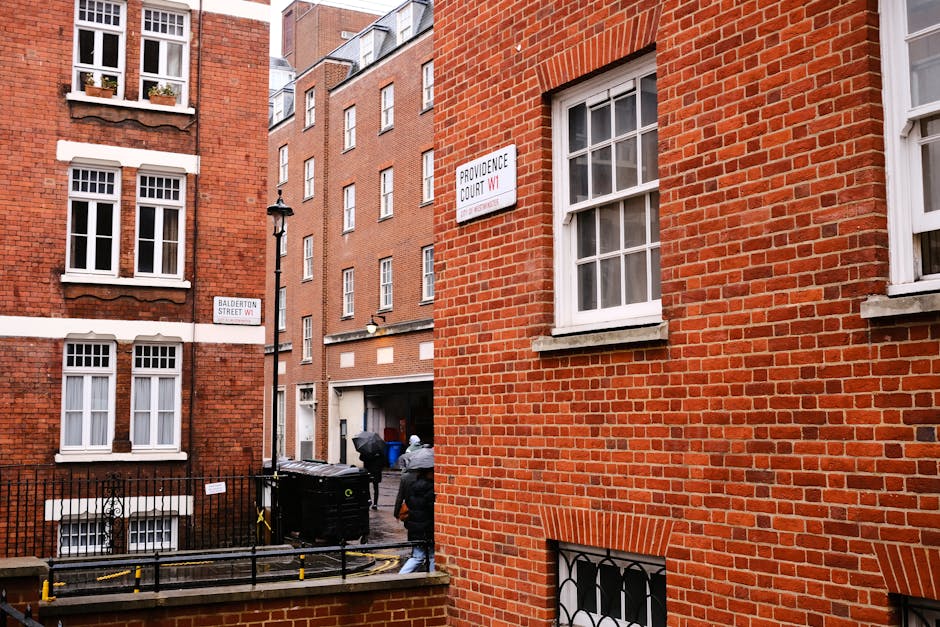
Emergency flat clearances in Marylebone: Fast response
When a flat suddenly needs clearing, time stops feeling normal. Maybe a tenancy ended early, a landlord needs the space back, a family member has had to move quickly, or a property sale has reached that last-minute scramble stage. In that moment, Emergency flat clearances in Marylebone: Fast response are less about convenience and more about getting control back, calmly and quickly.
Marylebone has its own rhythm: elegant mansion blocks, period conversions, narrow access points, busy streets, and neighbours who notice everything. A fast clearance here has to be organised, discreet, and careful, not just rushed. This guide explains how emergency flat clearance works, who it helps, what to expect, and how to avoid the usual headaches. If you want a broader view of the services behind this kind of work, it can help to look at the services overview and the local removal services in Marylebone page too.
Truth be told, emergencies rarely feel tidy. But the clearance itself can be.
Table of Contents
- Why Emergency flat clearances in Marylebone: Fast response Matters
- How Emergency flat clearances in Marylebone: Fast response Works
- Key Benefits and Practical Advantages
- Who This Is For and When It Makes Sense
- Step-by-Step Guidance
- Expert Tips for Better Results
- Common Mistakes to Avoid
- Tools, Resources and Recommendations
- Law, Compliance, Standards, or Best Practice
- Options, Methods, or Comparison Table
- Case Study or Real-World Example
- Practical Checklist
- Conclusion
- Frequently Asked Questions
Why Emergency flat clearances in Marylebone: Fast response Matters
Speed matters because delays create knock-on problems. A flat that cannot be cleared on time can hold up a handover, delay cleaning, block decorators, frustrate landlords, or make a difficult personal situation drag on longer than it should. In Marylebone, where many properties sit in well-managed blocks with strict access arrangements, every hour counts a little more than people expect.
Emergency clearance also matters because the work is often emotionally loaded. A rushed move after bereavement, separation, eviction, or a sudden change of circumstances is not just a logistics problem. It can feel heavy. A good team understands that and keeps the process steady, direct, and respectful. No fuss. No drama. Just practical help.
There is also a property-preservation angle. Leaving furniture, white goods, or bags of household waste in a flat for too long can cause avoidable issues: damaged floors, blocked access for other trades, upset neighbours, and extra costs for the next stage of the move. Fast response flat clearance reduces all of that before it snowballs.
Expert summary: A proper emergency flat clearance is not simply "remove everything as quickly as possible." It is a controlled service that balances speed, access, care for the building, and clear communication.
For residents and property managers who want a reliable, local starting point, it can also help to review flat removals in Marylebone alongside same-day removals. They are related, but not identical. A clearance is usually more about emptying the space fully and efficiently.
How Emergency flat clearances in Marylebone: Fast response Works
The process is usually quicker than a standard move, but it still follows a pattern. The best clearances begin with a rapid assessment, even if that assessment happens by phone, photos, or a short site visit. A good provider wants to know what must go, what must stay, whether there are stairs or lifts, whether parking is available, and how urgent the deadline is. Simple questions, but they make all the difference.
Once the details are clear, the team plans the vehicle, crew size, and order of work. In a place like Marylebone, this planning stage matters because traffic, loading access, and building rules can change the whole job. A small flat on a quiet street might be straightforward; a top-floor apartment with no lift and a narrow entrance hall is another story entirely. Same postcode, very different day.
The clearance itself often follows these steps:
- Initial contact and urgency check
- Item review and access planning
- Confirmation of timing, pricing structure, and scope
- Arrival with the right crew and vehicle
- Sorting of reusable items, removals, and waste separation
- Careful loading and removal
- Final sweep of the flat and handover-ready finish
Sometimes a job is simple enough that a man with a van in Marylebone is enough. Other times, especially when there is bulky furniture, mixed contents, or a tight deadline, a more complete service is smarter. If the clearance is part of a larger move, the local removals Marylebone page is useful for understanding the wider options.
In practice, fast response means the team does not waste time, but it also does not cut corners. That balance is the whole point.
Key Benefits and Practical Advantages
Emergency flat clearances deliver more than speed alone. The real value sits in how much pressure they remove from the day.
- Reduced stress: You are not left trying to organise bins, lifting, transport, and building access at once.
- Faster turnaround: The flat becomes usable again for cleaning, repairs, or handover.
- Better building relations: Quick, tidy work helps avoid complaints from neighbours or managing agents.
- Safer handling: Heavy items, awkward furniture, and loose household contents are moved with the right equipment.
- Less chance of damage: Proper handling matters in older properties with narrow corners, timber floors, or shared hallways.
- Clearer decisions: A structured team helps you focus on what is worth keeping, donating, storing, or discarding.
There is another advantage people sometimes overlook: momentum. Once a clearance starts, the whole situation feels more manageable. Boxes move. Rooms open up. The flat looks different in an hour. That change can be oddly reassuring when everything has felt stuck.
If you suspect some items may need to be stored rather than removed forever, the local storage in Marylebone option is worth considering before you commit to a full clear-out.
Who This Is For and When It Makes Sense
This kind of service is useful for a wide mix of people. Not everyone calling for an emergency clearance is dealing with the same problem, and that is important. The job might be a landlord deadline, a tenant departure, a family emergency, or a property sale that has suddenly accelerated.
It tends to make sense for:
- Landlords needing a flat emptied between occupancies
- Tenants who have to vacate quickly
- Families dealing with an urgent property situation
- Estate agents preparing a property for viewings or completion
- Property managers handling end-of-tenancy or block-wide issues
- Homeowners who need clutter, furniture, or unwanted items removed fast
It can also be the right choice when a conventional booking is simply too slow. If you have a builder waiting to start, a deep clean scheduled for later that day, or a handover happening in the morning, you need the flat empty, not "mostly empty." That distinction matters more than people think.
For larger family homes, a different service may fit better. In those cases, house removals in Marylebone can be the better route. And for genuinely urgent timing, the dedicated same-day removals Marylebone page is a sensible next stop.
Step-by-Step Guidance
If you are trying to move quickly, having a simple plan helps. The less you have to decide in the middle of the scramble, the better.
1. Identify the deadline
Start with the real deadline, not the hoped-for one. Is the flat needed by this afternoon, tomorrow morning, or next week? Be honest about the latest possible time. A team can work with a hard deadline. What causes trouble is uncertainty.
2. List what must go and what must stay
Make two quick lists. One for items to remove. One for items to leave behind. If you can, mark them with tape or notes. It sounds basic, I know, but in an emergency those small signals save time and arguments.
3. Check access details
Note stairs, lift access, parking restrictions, entry codes, concierge rules, and whether a loading bay is available. Marylebone access can be a bit fiddly. No point pretending otherwise. If the vehicle cannot stop nearby, the job plan changes.
4. Ask about disposal and separation
If the clearance includes mixed items, check whether reusable goods, recyclables, and general waste will be handled separately where possible. A thoughtful provider will explain how items are processed, and if anything can be reused or redirected responsibly.
5. Confirm pricing and scope before the team arrives
Emergency jobs move fast, but they should still be clear. Make sure you know what is included, what counts as extra, and whether stairs, waiting time, or unusually heavy items could affect the quote. For more detail on cost expectations, the pricing and quotes page is a practical reference.
6. Prepare a final walkthrough
Before the team leaves, do one last check of cupboards, wardrobes, under beds, and high shelves. It is amazing how often a passport, charger, or important letter turns up at the very end. A bit annoying. Very human.
Expert Tips for Better Results
There are a few small decisions that make a big difference to the quality of an emergency clearance. They are not flashy, but they work.
- Photograph the rooms first: A quick set of images helps confirm the scope and reduces misunderstandings.
- Keep a keep-box: Put documents, keys, valuables, medication, and sentimental items in one box and keep it with you.
- Do not over-sort in panic mode: If the deadline is tight, separate only what truly matters. Deep sorting can come later.
- Protect shared areas: Ask about floor protection and corridor care if the building is older or recently decorated.
- Tell neighbours or the concierge if needed: A little notice can reduce friction, especially during busier hours.
- Use clear labels: "Remove," "Store," and "Stay" are often enough. Simple beats clever.
Another tip: if you think the job may extend beyond one vehicle load, say so early. A fast response service can often scale up, but only if the team knows what is coming. That is where many urgent jobs get messy. Not because anyone is careless, just because the scope kept growing by surprise.
If furniture is part of the clearance, local help such as furniture removals Marylebone can be relevant, especially for awkward wardrobes, sofas, or tables that need careful handling through tight hallways.
Common Mistakes to Avoid
Urgency can make sensible people do slightly odd things. Happens all the time. The trick is spotting the common mistakes before they cost you time or money.
- Leaving the booking too late: Emergency does not mean instant in every case. Availability still matters.
- Assuming everything is included: Always confirm whether packing, waste handling, and labour are part of the quote.
- Forgetting access limitations: A van may be available, but a no-parking street or awkward lift can still delay the job.
- Not protecting valuables: Important paperwork and personal items should be removed before the team starts.
- Mixing store, donate, and discard items together: If you care about any item, keep it separate from the start.
- Choosing purely on speed: Fast is good. Fast and careless is not.
One of the biggest errors is trying to mentally manage every item at once. That tends to freeze people. Better to make a quick decision: what must be gone today, what can wait, and what can be stored. Simple enough, but powerful.
If you are still comparing providers, the local removal companies Marylebone page can help you understand the broader service landscape without jumping straight into a booking.
Tools, Resources and Recommendations
You do not need a warehouse of equipment for a good clearance, but the right tools make the work safer and quicker. A well-prepared team will normally bring trolleys, blankets, straps, sacks, protective gear, and the right vehicle size for the job.
For your side of things, a few simple tools help:
- Marker pens and labels
- Strong bags or boxes for small loose items
- Tape for marking keep/remove zones
- Phone camera for room photos and item records
- A folder for documents, keys, and tenancy paperwork
If you need packing support before or during the clearance, the local packing and boxes Marylebone page is worth checking. And if the job is more about quick transport than a full clearance, a removal van in Marylebone may be the lighter option.
Recommendation-wise, choose a provider that communicates clearly, asks sensible questions, and gives you realistic timing. The best teams do not overpromise. They just get on with it.
Law, Compliance, Standards, or Best Practice
For emergency flat clearances, the main compliance concern is not usually legal complexity, but responsible handling. In the UK, anyone arranging clearance should think carefully about waste disposal, duty of care, and safe handling of belongings. The practical point is simple: items should not disappear into a vague process with no accountability.
Best practice usually includes:
- Clear agreement on what is being removed
- Respect for any items the customer wants retained
- Safe lifting and carrying methods
- Care for shared spaces such as hallways, lifts, and entrances
- Responsible separation of reusable items and waste where possible
- Transparent communication about timing and scope
Insurance is also a sensible consideration. Not because things go wrong every day, but because urgent work often happens in awkward conditions. If you want to understand how a provider frames that side of the service, the insurance and safety page is a useful read. Similarly, the health and safety policy page gives a sense of the standards a serious operator should keep in mind.
And if you are worried about payment security or terms before going ahead, those details are worth checking calmly, even in a rush. A good provider should still be able to explain the basics. Fast response should never mean vague paperwork.
Options, Methods, or Comparison Table
Different situations call for different approaches. Choosing the right one can save a surprising amount of time and money.
| Option | Best for | Strengths | Limitations |
|---|---|---|---|
| Emergency flat clearance | Urgent emptying of a flat | Fast turnaround, full removal, practical for tight deadlines | May need more notice if the volume is large |
| Same-day removal | Quick transport of selected items | Good for speed and flexibility | Not always a full clearance solution |
| Flat removals | Moving contents from one flat to another | Useful when belongings are being kept | Less suited to disposal-heavy jobs |
| Man and van service | Smaller loads or partial clear-outs | Flexible and often cost-effective | May not suit heavier or more complex clearances |
If you are unsure which route fits best, start with the service most closely matched to the outcome you need. For a broad introduction, man with van Marylebone and man and van Marylebone are useful for smaller or more flexible jobs, while office removals Marylebone may be relevant if the clearance extends into workspace or storage areas.
Case Study or Real-World Example
Imagine a two-bedroom flat just off a busy Marylebone street. A tenancy has ended early, the landlord wants the place cleared before cleaners arrive, and there is a lift that only works intermittently. The flat still has a sofa, a bed frame, several boxes of mixed household items, and a few bulky bits in the kitchen. Nothing dramatic, but enough to create a headache.
In a situation like that, the best approach is usually short and disciplined. The client sends photos, confirms the items to remove, and flags the lift issue straight away. The team brings the right vehicle, protects the hallway, and prioritises the biggest items first so the flat opens up quickly. Smaller loose items are then bagged, loaded, and the final sweep checks cupboards, behind doors, and those odd places where chargers and keys like to hide.
The point of the example is not that every clearance is the same. Far from it. It is that urgent jobs go best when information is shared early and the scope stays clear. A clean handover at the end feels almost boring, which is exactly what you want. No surprises. No missing keys. No "one more thing" at the eleventh hour.
For readers who want a local background on the area and the kinds of properties often involved, the articles on life in Marylebone and Marylebone real estate overview provide useful context.
Practical Checklist
Use this quick checklist before the clearance team arrives:
- Confirm the deadline and access time
- Separate keep, remove, and store items
- Remove valuables, documents, and personal essentials
- Photograph rooms and bulky items
- Share stair, lift, parking, and concierge details
- Ask how waste, reusable items, and fragile goods will be handled
- Confirm pricing, payment, and any possible extras
- Protect building areas if needed
- Do a final walkthrough before handover
Quick takeaway: the smoother the information exchange, the faster the clearance. It really is that straightforward.
Conclusion
Emergency flat clearances in Marylebone work best when speed, care, and good communication all pull in the same direction. You may only have a few hours to sort everything, but a reliable local team can make the process feel far less chaotic than you feared at first. That is the real value here: not just removing items, but removing pressure.
Whether you are dealing with an urgent tenancy change, a property handover, or a difficult personal situation, the right service should give you room to breathe. In a neighbourhood like Marylebone, where access and property details can be a bit particular, local experience matters more than people sometimes realise. Small things add up: the right van, the right crew, the right timing, the right tone. Simple, but important.
If you are weighing up your next step, review the relevant service pages, check what is included, and choose a provider that communicates clearly from the start. A calm, practical response can make a hard day feel manageable. And honestly, that counts for a lot.
Get a free quote today and see how much you can save.
When the dust settles, the best result is a cleared flat and a clearer head. That's a good day's work.
Frequently Asked Questions
What counts as an emergency flat clearance in Marylebone?
It usually means a flat needs to be emptied quickly because of a deadline, handover, tenancy issue, family situation, or another urgent property requirement. The focus is on fast, organised removal rather than a leisurely schedule.
How fast can a flat be cleared?
That depends on access, volume, and timing. Some clearances can be handled the same day if the scope is clear and a team is available. Larger or more complex jobs may need a short lead time, even if the response is still rapid.
Do I need to pack everything before the team arrives?
Not always. For urgent clearances, many teams can handle loose items and mixed contents. That said, having valuables, documents, and keep-items separated before arrival will save time and reduce mistakes.
Can you remove furniture as part of an emergency clearance?
Yes, furniture is often part of the job. Sofas, beds, wardrobes, tables, and white goods are common clearance items, though the team may need details in advance if anything is unusually heavy or awkward.
Is a man and van service enough for a fast flat clear-out?
Sometimes, yes. If the job is small and the volume is modest, a man with a van in Marylebone or man and van service can be ideal. For full clearances, a larger removal team may be more efficient.
How do pricing and quotes usually work for urgent clearances?
Quotes are usually shaped by the volume of items, access, travel time, and any special handling needs. It is best to ask for a clear scope upfront and check the pricing and quotes page before confirming.
What happens to items I do not want to keep?
That depends on the service and the condition of the items. Some items may be suitable for reuse or donation-style handling, while others will need responsible disposal. Ask how the provider separates items before the job begins.
Will the team work carefully in a shared building?
They should. In Marylebone, shared hallways, lifts, and entrances need care. Good practice includes protecting floors where needed, avoiding damage to walls, and keeping noise and disruption under control.
What if I need storage after the clearance?
That is a common follow-up. If you are not ready to decide what stays long-term, using storage in Marylebone can buy you time and stop the process feeling rushed.
Can emergency clearance include cleaning?
Some providers work alongside cleaning arrangements, but it is best not to assume that cleaning is automatically included. Ask in advance so the flat can be left ready for the next stage.
What should I ask before booking a fast-response clearance?
Ask about availability, access requirements, what is included in the quote, how large the crew will be, whether stairs or parking affect the job, and how items are handled. Clear questions usually lead to clear answers.
How do I choose between flat removals and a full clearance?
If you are moving belongings to another property, flat removals is probably the better fit. If the main goal is to empty the space, an emergency clearance makes more sense. The outcome you need should guide the service you choose.