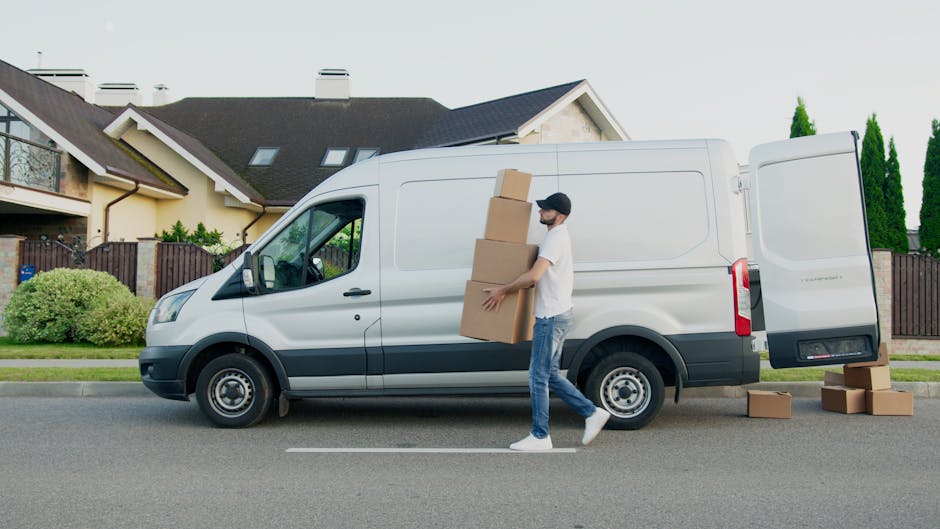
Avoid removals damage on period properties in Marylebone
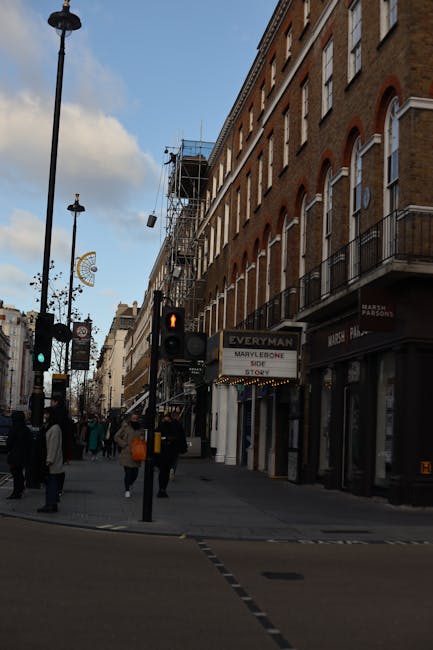
Moving into or out of a period property in Marylebone can feel a bit like carrying a grand piano through a jewellery shop. The building is beautiful, but the features that make it special - narrow staircases, original plasterwork, sash windows, uneven floors, polished bannisters, and tight front steps - can turn a simple move into a delicate operation. If your goal is to avoid removals damage on period properties in Marylebone, the real answer is not just "be careful". It is planning, communication, and using the right methods from the start.
This guide walks through the practical side of protecting walls, floors, doors, fixtures, and furniture in older Marylebone homes. You will see what causes most damage, how professionals reduce risk, which decisions matter before move day, and where people usually go wrong. We will keep it grounded, local, and useful - because, truth be told, period properties rarely forgive sloppy removals.
Why it matters in Marylebone
Marylebone's period homes are a big part of what makes the area so distinctive. Many properties have character features that look effortless until you try to move a sofa, wardrobe, or bed frame through them. At that point, every corner starts to matter. Every inch matters, actually.
Damage in older homes is rarely dramatic at first. It might start as a scuff on paintwork, a chipped stair edge, or a dented skirting board. But once a wall, balustrade, or original floorboard gets marked, it can be expensive and awkward to put right. That is why careful removals planning is not a luxury here; it is part of respecting the property itself.
There is also a practical reality in central London. Access can be tight, parking limited, and loading windows short. In and around Marylebone, that means removal crews need to be more than strong and fast. They need to be organised, observant, and willing to work methodically. If you are moving from a Georgian conversion, a stucco-fronted terrace, or a split-level flat, the building will usually tell you what it needs - you just have to listen.
For homeowners, landlords, tenants, and agents, avoiding damage also protects the handover process. Fewer disputes. Less cleaning and repair work. Less stress at the end of a long day. And let's face it, nobody wants the final memory of a move to be a scrape mark on a hallway wall.
How it works
A good damage-prevention approach begins long before the van arrives. The main idea is simple: reduce friction, reduce weight in awkward pieces, and reduce surprises. The fewer unpredictable moments during the move, the lower the risk of damage.
In practice, that means a removal plan for the property, not just for the possessions. The team should consider stair width, turning points, ceiling height, fragile joinery, flooring type, and whether heavy furniture can safely pass through without dismantling. A careful mover will also think about weather, street access, and whether protective coverings are needed at the front door or on the pavement.
Here is the basic working method used by experienced crews:
- Survey the route from room to vehicle before lifting anything.
- Protect surfaces such as floors, thresholds, door frames, and corners.
- Reduce bulk by dismantling furniture where appropriate.
- Wrap items properly so edges do not catch on plaster or woodwork.
- Move in sequence so people, boxes, and furniture are not competing for the same narrow space.
- Check continuously for knocks, slips, or pinch points.
Older properties often behave differently from newer ones. Floors may slope slightly. Doors may be tighter on one side than the other. Staircases can twist in a way that looks charming until a mattress has to turn halfway up. So the key is not speed. It is rhythm, patience, and a bit of foresight.
If you are comparing moving options, it can help to look at the kind of job you actually need rather than just the label on the service. For example, house removals in Marylebone may suit a fuller move with more furniture, while a smaller access-heavy job might need a more flexible vehicle and crew. If the move includes especially awkward items, furniture removals Marylebone support is often the safer route.
Key benefits and practical advantages
When removals are handled well in a period property, the benefits go beyond avoiding visible scratches. You usually save time, reduce tension between everyone involved, and create a much cleaner finish to the move.
- Fewer repair costs: Less risk of paying to repaint, refinish, or fix trim and flooring.
- Better furniture protection: Proper wrapping and handling lowers the chance of chipped corners and broken fittings.
- Smoother handover: This matters especially if the property is being sold, let, or returned to a landlord.
- Less disruption for neighbours: Efficient loading and sensible route planning mean fewer blockages and less noise.
- More confidence on move day: You are not standing there wondering whether the wardrobe will make it round the stairs. That alone is worth a lot.
There is also a subtle benefit that people often miss: a careful move helps preserve the feel of the property. In a Marylebone townhouse or converted flat, the hallway, landing, and entryway are not just functional spaces. They are part of the home's character. Protecting them keeps the property feeling intact rather than battered by the move.
If the job involves a tighter timetable or a complex access arrangement, it may be worth looking at broader support through removal services in Marylebone or, for smaller and more agile moves, man with van Marylebone. Not every move needs the same setup. That is the point.
Who this is for and when it makes sense
This approach makes sense for almost anyone moving in or out of a period home, but it is especially important in a few situations.
- Owners of listed or heritage-style homes who want to preserve original features.
- Tenants who need to avoid deposit deductions for accidental damage.
- Landlords and agents preparing a property for the next occupant.
- Families moving full rooms of furniture through narrow access points.
- People with heavy, awkward, or valuable items such as antiques, pianos, mirrors, or large wardrobes.
- Anyone moving in a tight Marylebone street where loading access and parking are limited.
The need becomes even clearer when the property has delicate finishes. Think lime plaster, wooden floors, ornate cornicing, shallow stair treads, or fragile glass panes on internal doors. One awkward pivot and a lot of goodwill disappears. That sounds dramatic, but if you have ever seen a mirror nick a bannister, you know how quickly it happens.
For larger corporate or mixed-use moves in the area, an office removals Marylebone approach may be more appropriate, especially where shared entrances, reception areas, and communal corridors need extra care. If you are early in planning and want to understand the wider options available, services overview is a sensible place to orient yourself.
Step-by-step guidance
Here is a practical way to organise a damage-safe move in a period property. It is not glamorous. But it works.
- Inspect the property before the move.
Walk the route from each room to the exit. Note tight turns, low ceilings, slippery steps, fragile corners, and any surfaces that need protection. - Measure the large items.
Measure furniture height, width, and depth - then compare it with doorways, stair turns, and lift dimensions if relevant. A quick tape measure session can save a world of hassle. - Decide what should be dismantled.
Large beds, wardrobes, table legs, and shelving units often move better in parts. Leaving them fully assembled is one of the classic mistakes. - Prepare protective materials.
Use floor coverings, padded wraps, corner protectors, and blankets. On older wooden flooring, protection should be laid before the first item moves. - Pack with the route in mind.
Heavier boxes should be small enough to lift safely. Fragile items should not sit loose inside oversized cartons. If you want better packing support, see packing and boxes Marylebone. - Clear the path fully.
Remove rugs, plant stands, loose cords, and anything that could catch a foot or snag furniture. It sounds obvious. Still, people forget. - Use controlled movement, not rushed lifting.
One person leads, one spots corners, and the rest keep the route clear. Communication matters more than muscle. - Check the property again at the end.
Look at thresholds, skirting, walls, and stair rails before the team leaves. It is easier to sort a fresh issue immediately than to discover it later.
If the move is happening quickly, or you need a more responsive setup, same day removals Marylebone may be useful, but only if the access and packing have still been thought through properly. Speed without preparation can be a bit of a false economy.
And yes, sometimes the best move is to store items temporarily rather than force everything through at once. If that is your situation, storage in Marylebone can reduce pressure on move day and make the property handling far safer.
Expert tips for better results
In our experience, the best damage-free moves in period properties are usually the quiet, disciplined ones. The crew is not rushing between loads, nobody is guessing which way a cabinet will turn, and there is always someone watching the route ahead.
1. Treat the staircase like a measured route, not a hallway
Staircases in older Marylebone buildings often have quirks. Landings can be smaller than expected. Steps can vary a touch in height. Sometimes the banister stands a little too proud. A good team studies the staircase before lifting the first heavy item. A bad team just goes for it. You can probably guess which one ends well.
2. Use soft protection at contact points
Door frames, banisters, corners, and skirting boards are the usual casualties. Soft wraps and temporary protection should be fitted at the most likely impact points, not just wherever it seems convenient.
3. Keep one person responsible for the route
Too many people giving directions can cause confusion. One person should call the turns, warn about the landing edge, and decide when to pause. Simple. Effective.
4. Don't overpack boxes
Heavier boxes become awkward faster than people expect. Once they start slipping or tipping, damage risk rises for the property and the item itself. Small, dense boxes are usually safer than large, half-full ones.
5. Plan for bad weather and wet shoes
A damp morning in London changes things. Wet soles can mark floors and increase slip risk. Simple mats, wipes, and floor runners help more than most people realise.
If you are checking a provider's standards, it helps to look at their general approach to safety and handling rather than only the headline service. The pages on insurance and safety and health and safety policy are useful indicators of how seriously a team takes the practical side of removals.
Common mistakes to avoid
Most damage in period properties comes from a short list of avoidable errors. Once you know them, they are easy to spot. Annoyingly easy, in fact.
- Skipping a walkthrough: Moving without checking access first is asking for trouble.
- Using oversized boxes: Big boxes are harder to control in narrow hallways.
- Ignoring floor protection: One dragged item can leave a long mark on wood or stone.
- Forcing furniture through intact: Dismantling saves walls, corners, and often the furniture too.
- Assuming "careful" is enough: Careful helps, but careful plus planning is what protects the building.
- Leaving fragile items unlabelled: If a box needs a gentle hand, say so clearly.
- Not checking parking and access in advance: A long carry from the van increases the risk of bumps and drops.
- Rushing the final room: The last few items often get moved when people are tired. That is when mistakes creep in.
A smaller but common issue is using the wrong type of removal setup for the job. A bulky vehicle might be unnecessary in a narrow street, while a very small one may mean too many trips and too much handling. Choosing the right format matters. If you are unsure, removal van Marylebone information can help you think through the practical side.
Also, don't forget the human side. People move faster when they are stressed, and stressed people knock things. It happens. The remedy is not more shouting; it is slowing the tempo before the awkward bits begin.
Tools, resources and recommendations
You do not need specialist equipment for every move, but the right basic tools make a big difference. Here is what tends to be worth having to hand.
| Tool or item | Why it helps | Best use in period properties |
|---|---|---|
| Furniture blankets | Protects wood, paint, and delicate surfaces | Wrapping tables, wardrobes, and drawers |
| Floor runners | Reduces scuffs and dirt transfer | Hallways, landings, and entrance routes |
| Corner protectors | Prevents damage to walls and furniture edges | Tight internal corners and door frames |
| Tool kit | Helps dismantle items safely | Beds, shelves, modular furniture, mirrors |
| Strong tape and labels | Keeps packing organised | Fragile items, room labels, screw bags |
That may look basic, and it is. But basic done well beats clever done badly. If you are packing yourself, package and boxes Marylebone and the wider man with van Marylebone options may be useful if you need a lighter, more flexible move. For more complete support, removal companies Marylebone gives you a route into more structured help.
One small recommendation that people overlook: keep a dedicated "first out, last in" box. It should contain kettle, basic cleaning items, chargers, toilet roll, and a few essentials. That has nothing to do with damage prevention directly, except that a smoother arrival reduces the temptation to dump things in awkward places.
Law, compliance, standards, or best practice
This topic can touch on safety, access, and property condition, so a cautious approach is sensible. If you are moving within a managed building, leasehold property, or shared block, there may be building rules about lift use, loading times, noise, and corridor protection. Those rules are usually set by the building or management company rather than by a removal firm, so it is worth checking early.
For occupied properties, there is also a general duty to work safely and avoid preventable harm to people and premises. In everyday terms, that means sensible lifting, clear walkways, suitable protective materials, and no reckless manoeuvring. The exact arrangements depend on the job, but the principle is steady: do not expose the property or the people in it to avoidable risk.
Best practice in the removals industry normally includes:
- pre-move planning and access checks
- careful handling of fragile items and heritage features
- use of protective coverings on floors and touchpoints
- clear communication among the moving team
- appropriate insurance and sensible risk management
If you are comparing providers, it can be reassuring to review their wider company information as well. Pages like about us, terms and conditions, and payment and security give a sense of how the business operates, even before you ask for a booking.
There is no need to overcomplicate this. Just make sure the people handling the move understand that a period property needs respect, not bravado.
Options, methods, or comparison table
Different moves need different approaches. The best choice depends on how much you are moving, how tight the access is, and how much support you want on the day.
| Method | Best for | Pros | Trade-offs |
|---|---|---|---|
| Self-move with helpers | Small loads and straightforward access | Lower direct cost, more control | Higher risk if packing and lifting are not managed well |
| Man and van | Smaller moves, flats, or single-room moves | Flexible, practical, often quicker to organise | May need more planning if the property is very awkward |
| Full removal service | Larger homes, delicate furnishings, complex access | More protection, more structure, less stress | Usually more involved to arrange |
| Storage-first approach | Moves with timing gaps or renovation work | Reduces pressure and damage risk | Requires an extra step and more coordination |
For a practical, access-aware move, many people in Marylebone prefer a balance of flexibility and care. That is one reason the smaller-service pages such as man with a van Marylebone and flat removals Marylebone can be relevant if your property has stairs, shared entrances, or tighter internal space.
If you are moving from a larger home, though, it may be better to look at the fuller support route. Not because it sounds grander. Just because the building deserves a method that fits.
Case study or real-world example
Here is a realistic example. A couple moving from a top-floor Marylebone conversion had a large wardrobe, an antique chest of drawers, and a narrow stairwell with a sharp half-landing. On paper, it looked manageable. In reality, the first wardrobe turn would have been the problem.
Instead of forcing it through assembled, the team dismantled it, wrapped the panels, and laid floor protection before the first lift. They also checked the route for a door swing that would have caught on the wardrobe side. That one detail saved a lot of grief. The move took longer than the couple had originally imagined, but there was no scuffed wall, no cracked trim, and no bruised stair edge. Which is really the whole point.
Another common Marylebone scenario is a quick flat clearance where the access is tight and neighbours are close by. In those cases, the winning move is often to use the shortest sensible loading route, keep volumes low, and separate fragile items from bulky furniture early. A crew that understands local streets, shared access, and narrow staircases can make a big difference. If you want to explore route-sensitive moves, Baker Street moves and efficient removals in Marylebone and Marylebone High Street removals best local routes are useful related reads.
These situations are not unusual. They are normal Marylebone life, really. The trick is to plan for the building you have, not the building you wish you had.
Practical checklist
Use this before move day. It is simple, but it covers the stuff that gets missed when everyone is busy.
- Measure large furniture and note awkward dimensions.
- Walk the route from each room to the exit.
- Check stair width, landings, door swings, and ceiling height.
- Confirm parking or loading arrangements.
- Decide which items should be dismantled.
- Gather blankets, tape, labels, and floor protection.
- Pack fragile items separately and mark them clearly.
- Clear hallways, rugs, and loose items from the route.
- Protect corners, banisters, and flooring before lifting starts.
- Keep essentials in a separate box for the first night.
- Do a final check of walls, thresholds, and stair edges before leaving.
Expert summary: if you want to avoid removals damage on period properties in Marylebone, focus on route planning, correct packing, dismantling where needed, and surface protection. Those four things do most of the heavy lifting, honestly. The rest is discipline.
If you are still weighing up your options, you can also review removals Marylebone for a broader view of move types and support levels. When in doubt, ask questions early. It saves a lot of backtracking later.
Conclusion
Period properties in Marylebone deserve a removals approach that is calm, careful, and properly planned. The goal is not just to get everything from A to B. It is to do so without bruising the building, stressing the people involved, or creating repair work that could have been avoided.
Once you understand the risks - tight access, fragile finishes, awkward turns, and heavy items - the solution becomes much clearer. Measure first, protect surfaces, dismantle smartly, and work at a steady pace. That is how good removals happen in older homes. Not with drama. Just with care.
If your move involves delicate furniture, shared access, or a period property with a few quirks, it is worth choosing support that respects the space as much as the contents. That small bit of extra attention makes all the difference, and you will feel it on the day.
Get a free quote today and see how much you can save.
And if you are planning a move soon, take a breath, start early, and trust the process. Marylebone has a way of rewarding the careful approach.
Frequently Asked Questions
How do you avoid damage when moving furniture in a period property?
Start by measuring the furniture and the route, then protect floors, corners, and door frames before moving anything. Dismantling bulky items is often the safest choice.
Why are period properties in Marylebone harder to move in?
They often have narrow staircases, irregular layouts, original woodwork, and tighter access than modern buildings. Those features make careful planning essential.
Should I dismantle furniture before a move in Marylebone?
Yes, where it helps the item pass safely through the property. Beds, wardrobes, and shelving often move better in parts than as one piece.
What is the most common removals damage in older homes?
Scuffed walls, chipped skirting boards, marked stair rails, and scratched floors are the most common issues. These usually happen during turns or tight lifts.
Is a man and van service suitable for a period flat?
It can be, especially for smaller or simpler moves. The key is whether the service offers enough care, planning, and handling for your building's access.
How much packing should I do myself before move day?
As much as possible, provided the boxes are packed sensibly. Fragile items should be wrapped well and heavy items should go in smaller boxes rather than oversized ones.
Do I need floor protection in a period property?
Yes, in most cases. Older floors can mark easily, and shared hallways or landings often need protection to keep the move clean and safe.
What should I ask a removal company before booking?
Ask how they handle fragile features, whether they dismantle furniture, what protective materials they use, and how they approach access in narrow streets or stairwells.
Can removals damage affect my deposit?
It can, if you are a tenant and accidental damage is left behind. Taking precautions and checking the property at the end helps reduce that risk.
What if my Marylebone property has very tight access?
Then access planning becomes even more important. Measure carefully, use suitable packing, and consider a more flexible removal format if needed.
Are there any building rules I should check first?
Yes. Managed buildings may have rules about lift use, loading times, noise, and corridor protection. It is best to confirm these before move day.
When is storage a good idea during a move?
Storage is useful if the property is not ready, if access is too tight for a full load, or if you want to split the move into safer stages.
What is the safest way to move antiques or valuable furniture?
Use proper wrapping, secure handling, and a route check before lifting. For especially valuable or fragile pieces, it is usually best to take a more cautious, fully planned approach.