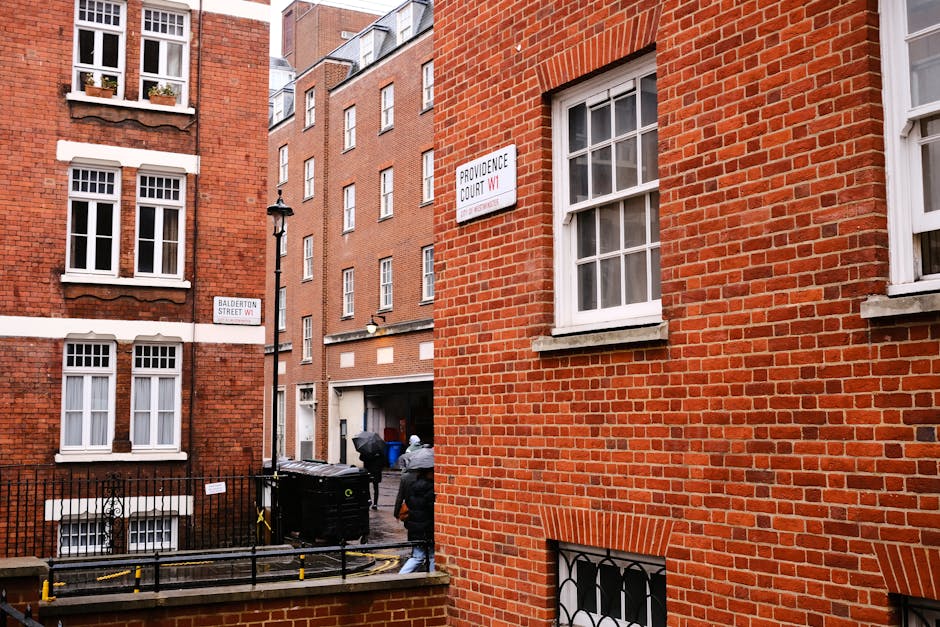
W1U Flats: Narrow-Street Removal Tips in Marylebone
Moving out of a W1U flat sounds simple on paper. Then you meet the reality: a narrow Marylebone street, parked cars on both sides, tight stairwells, and a van that can't just pull up wherever it likes. If that sounds familiar, you're in the right place. This guide to W1U Flats: Narrow-Street Removal Tips in Marylebone breaks down how to plan a smoother move, reduce stress, and avoid those last-minute, "oh no, this won't fit" moments that everyone hopes to dodge.
Whether you're leaving a compact top-floor apartment, moving into a period conversion, or helping a tenant or student shift belongings across the area, the same basic challenge keeps showing up: access. The good news is that with the right preparation, narrow streets don't have to derail the day. A little local know-how goes a long way. And, truth be told, in Marylebone that often matters more than brute strength.
This article covers what matters most: how narrow-street removals work, what to prepare before move day, which mistakes cause delays, and how to choose the right support for a flat move in W1U. If you want a fuller view of available help, you may also find the flat removals in Marylebone page useful, especially if your move involves stairs, shared entrances, or awkward loading access.
Why W1U Flats: Narrow-Street Removal Tips in Marylebone Matters
Marylebone is one of those central London areas where the streets look elegant, but they can be a real headache for removals. Many W1U flats sit on roads with limited stopping space, resident parking, delivery restrictions, narrow carriageways, or a steady stream of traffic that never seems to fully let up. Add in basement flats, mansion blocks, converted terraces, and awkward staircases, and suddenly the move is no longer just about lifting boxes.
This matters because the biggest risks in a flat move are often not the items themselves. They are delays, blocked access, missed arrival windows, damaged furniture, and the domino effect of a plan that worked in your head but not in real life. A van that cannot get close enough to the property can turn a quick move into an exhausting one. No one enjoys carrying a wardrobe half a street. Nobody. Not even once.
For W1U removals, access planning is not a luxury. It is the job. That includes understanding the street layout, checking floor access, deciding whether you need a smaller vehicle, and making sure the team has clear instructions before they arrive. If your move includes items like sofas, bookcases, or a piano, this becomes even more important. For specialist items, see the dedicated piano removals in Marylebone service, which is helpful when weight, fragility, and turning space all become part of the puzzle.
The local context also matters. Marylebone is busy, mixed-use, and always a little more time-sensitive than a quieter suburb. That means a good removal plan should respect neighbours, building rules, the street environment, and your own energy levels. A calm move is usually a planned move.
How W1U Flats: Narrow-Street Removal Tips in Marylebone Works
At a practical level, a narrow-street flat removal works by reducing uncertainty before the van arrives. That usually means mapping the route, assessing vehicle access, planning parking or loading options, protecting the building, and choosing a crew size that matches the job. Simple in theory, but there are a lot of small moving parts.
The process usually starts with an access check. Where can the vehicle stop safely? Is there a loading bay? Are there yellow lines, resident bays, time limits, or width constraints? Can the driver reach the property entrance without blocking a junction or upsetting a neighbour? These questions sound basic, but they are often what decides whether the day feels efficient or chaotic.
Next comes property access. Many W1U flats have narrow stairs, tight corners, or lifts that are not exactly built for oversized furniture. You may need to measure door widths, lift dimensions, hallway bends, and the largest item you plan to move. That means more than a rough estimate. If you have a sofa, mattress, or wardrobe that nearly fits, "nearly" can be a very expensive word.
Then comes the packing and loading plan. Items should be boxed properly, labelled clearly, and grouped by room or priority. If you are still in the sorting stage, the packing and boxes Marylebone page is a sensible place to look for support, especially if you want the job done without last-minute runs for tape, boxes, or bubble wrap.
Finally, a good narrow-street move is all about sequencing. The van arrives, access is confirmed, fragile items are loaded first or last as appropriate, and heavier items are moved with enough people to do it safely. In good weather it feels brisk; in rainy London drizzle, it feels like a small military operation. Fair enough, that is the reality of moving in the city.
Key Benefits and Practical Advantages
Good planning brings more than convenience. It protects your property, your time, and frankly your mood. Here are the main advantages of taking narrow-street removal tips seriously:
- Less wasted time: If the van can park or wait legally and the route is clear, the job runs faster.
- Lower damage risk: Measured items and protected walls mean fewer knocks on door frames and stair corners.
- Better safety: Fewer rushed carries reduce the chance of trips, strains, and dropped items.
- Less stress with neighbours: A tidy loading plan and controlled timing help avoid complaints.
- Smarter cost control: Fewer delays usually mean fewer extra hours and less frustration.
There is also a less obvious benefit: confidence. When you know the stairs are measured, the van is the right size, and the loading route has been thought through, you stop second-guessing every box. That calm matters. Moving day always feels bigger at 7am than it does in the planning emails, doesn't it?
For many households, especially those managing tight budgets or short timelines, a compact vehicle with experienced handling is the best fit. The man with a van in Marylebone option can be a strong choice for smaller flat moves, partial loads, or situations where access is tight and agility matters more than sheer van volume.
And if you are comparing service types more broadly, you may want to review the removal services in Marylebone overview. It helps you see where a flat move sits alongside other move types, and what kind of support you actually need rather than what sounds impressive.
Who This Is For and When It Makes Sense
This guide is useful if you live in a W1U flat or you are helping someone move from one. That includes tenants, landlords, students, downsizers, first-time buyers, and people moving between rented properties in central London. It is also useful if you work in lettings or building management and need to understand what makes a move less disruptive for everyone involved.
It makes sense in particular when:
- the street outside the building is narrow or heavily parked;
- the property is above ground level and there is no easy lift access;
- you have large furniture or fragile items;
- your moving date is fixed and the schedule is tight;
- you want to avoid unnecessary damage to walls, floors, or shared entrances;
- you need a quicker, lighter move rather than a full-scale household relocation.
It is also very relevant for students and young professionals who often move in and out of compact flats with limited storage. If that is your situation, the student removals in Marylebone page may be handy, because these moves often combine a modest volume of goods with awkward timing and short notice. That combination is common in W1U, no surprise there.
For larger family properties, you might instead be looking at a fuller relocation plan. In that case, the house removals Marylebone service gives a broader view of how more complex moves are handled across the area.
Step-by-Step Guidance
Below is a practical order of operations for a narrow-street W1U flat move. It is not fancy, but it works.
- Measure the route inside and outside the property. Check doorways, stair turns, lifts, ceiling lamps, and any awkward corners. Measure your largest items, not just the easiest ones.
- Check street access early. Look for parking restrictions, loading signs, road width, and the closest place a van can stop without creating a problem. If needed, ask a local expert to assess it before move day.
- Sort and reduce. Move only what you need. The less you take, the less you carry through a narrow building. That part is almost embarrassingly obvious, but people still forget it.
- Pack by room and fragility. Use sturdy boxes, mark them clearly, and keep essential items separate. Put small loose items in bags or containers before they vanish into the usual moving-day black hole.
- Protect the property. Use floor coverings, door protection, and blankets for furniture. Shared hallways in Marylebone deserve care, especially in older buildings.
- Confirm arrival timing. Pick a realistic loading window. Early morning can be quieter, but check building rules and neighbours' expectations first.
- Load in the right order. Heavy and bulky items first if access allows, with fragile and essential items secured separately.
- Do a final sweep. Check cupboards, windowsills, under beds, above wardrobes, and the back of the bathroom door. People forget odd things in the weirdest places.
If you are moving office equipment or a live-work setup from a W1U flat, it may be worth comparing this process with dedicated office removals in Marylebone support, especially if laptops, filing, or delicate work gear are involved. A hybrid home-office move often needs a more careful plan than people expect.
Expert Tips for Better Results
Here is where the real-world detail starts to matter. A lot of the success in a narrow-street move comes from tiny decisions that feel boring until they save the day.
- Choose a smaller van if the street is tight. A vehicle that can actually stop close to the entrance is often better than a larger one that has to park far away.
- Label boxes by room and priority. This reduces decision-making during unloading, which is when everyone is tired and slightly hungry. Not ideal.
- Keep one "first-night" bag separate. Put chargers, toiletries, tea bags, medication, keys, documents, and a change of clothes in one easy-to-grab bag.
- Use furniture protection before moving starts. Waiting until the hallway is crowded is usually too late.
- Warn neighbours if access may be briefly blocked. A little courtesy goes a long way in a building where people know each other's routines.
- Take photos of rooms before loading. This helps with check-out or inventory discussions later, which can save awkward conversations.
A small but useful tip: if you are dealing with a period property in Marylebone, assume the building is charming and slightly awkward. That sounds rude, but it is usually true. The staircase looks lovely in the listing photo; in real life it may have a bend just where you do not want one.
Also, try not to leave everything until the last evening. The difference between a calm move and a frantic one is often just a few hours of earlier packing. Little by little. That's the game.
If you want to read more about the area itself and how local life shapes move patterns, the Marylebone local perspectives article is a good companion piece. It gives useful context on what everyday living in the neighbourhood can feel like.
Common Mistakes to Avoid
In narrow-street removals, the biggest mistakes are usually predictable. The trouble is, predictable does not mean avoided.
- Booking a vehicle too large for the street. This is one of the easiest ways to create delays.
- Assuming parking will sort itself out. It rarely does. Check access properly before the day.
- Skipping measurements. If a sofa cannot turn the landing, no amount of optimism will help.
- Packing fragile items badly. Tight city moves involve more handling, not less.
- Leaving the move-in or move-out paperwork until the last minute. You do not want admin blocking the actual move.
- Not telling the building manager or concierge. In many blocks, that leads to avoidable friction.
- Underestimating how long stairs take. Especially with awkward items. Especially on a hot day. Or raining. Or both, because London enjoys a bit of theatre.
One common trap is thinking that a small flat means a small move. Sometimes yes, but not always. A compact W1U apartment can still hold a surprising number of books, kitchen items, mirrors, and oddly shaped furniture. The box count rises faster than people expect.
Another error is ignoring what you do not want to move. Old storage containers, broken furniture, unused office chairs, and duplicate appliances only slow everything down. If you need help clearing things before the move, the furniture removals Marylebone page is worth a look for larger pieces that should be handled separately.
Tools, Resources and Recommendations
You do not need a warehouse of equipment to move well. But a few practical tools make a noticeable difference.
- Measuring tape: For doors, stair turns, lifts, and the furniture itself.
- Strong packing tape: Cheap tape is a false economy. It gives up at the worst time.
- Furniture blankets and covers: Useful for protecting polished wood, glass, and painted surfaces.
- Label stickers or marker pens: Clear box labels save time at unloading.
- Gloves with grip: Particularly useful for awkward stair carries.
- Phone photos and notes: Good for measuring, documenting access, and keeping a running inventory.
For service comparison and planning, the removal companies in Marylebone page can help if you want to compare broader support options, while the removals Marylebone page gives a more general overview of move types available locally.
It is also worth checking the company's operational pages before booking. The services overview section is useful for seeing how different moving needs are handled, and the about us page can help you understand the approach behind the service. That background matters more than people think.
If you want to keep costs in view while planning, the pricing and quotes page is a sensible next stop. It helps set expectations before you commit to a date.
Law, Compliance, Standards, or Best Practice
For most flat moves, the practical focus is less about legal theory and more about safe, considerate working. Still, there are a few UK norms and best practices worth respecting.
First, parking and loading must be handled lawfully. That means checking local restrictions, permit rules, yellow lines, and any building-specific instructions before a van is positioned. In central London, assuming you can "just stop for a minute" is usually a bad plan. Councils and building managers tend not to love that approach.
Second, safe lifting matters. Good movers follow sensible manual handling practices: lift within capacity, use team carries for heavy or awkward items, and take the time to protect shared spaces. In older Marylebone buildings especially, care around stair rails, floors, and corners is part of basic professionalism.
Third, insurance and trust matter. If you are booking help for a flat move, ask how items are protected and what happens if something is damaged. A reputable mover should be comfortable discussing this clearly. For more detail, see the insurance and safety page. It is a good sign when a company is open rather than vague.
Finally, if you have special access needs, building rules, or timing limits, communicate them early. If you need to confirm accessibility arrangements or ask for process details, the accessibility statement and health and safety policy pages are both useful references. Best practice is not flashy. It is just clear, tidy, and consistent.
Options, Methods, or Comparison Table
Different W1U flat moves call for different methods. What works for a single-room move may not be right for a two-bedroom flat with a piano and a tight stairwell. Here is a simple comparison to help you decide.
| Method | Best for | Strengths | Watch-outs |
|---|---|---|---|
| Small van / man and van | Studio flats, partial loads, student moves | Flexible, easier on narrow streets, often quicker to position | May need multiple trips for larger loads |
| Mid-sized removal van | One- to two-bed flats with moderate furniture | Balances capacity and access | Can struggle if the road is especially tight |
| Full removal team | Larger flat moves, heavy furniture, mixed access issues | More hands, better for stairs and fragile items | Needs more planning and usually a stricter schedule |
| Self-move with hired transport | Very small moves, low-value items, experienced movers | Potentially cheaper | Highest physical effort and highest risk of delays |
In plain English, the best method is the one that matches the street, the building, and the volume of items. Not the one that sounds most ambitious.
Case Study or Real-World Example
Picture a typical W1U flat move on a weekday morning. A tenant is leaving a second-floor apartment in a narrow Marylebone street. The building has a slim entrance hall, a bend in the stairs, and the road outside allows only a brief loading stop. There is one sofa, a bed frame, a desk, several boxes, and a mirror that definitely looks more fragile than it feels.
The first version of the plan was simple: hire a large van, arrive mid-morning, and load everything in one go. On paper, fine. In reality, not so much. The street was busier than expected, the van would have blocked access, and the sofa would have struggled around the stair corner.
The better plan used a smaller vehicle, earlier arrival, and pre-packed items grouped by size. The team measured the stairwell in advance, placed protective covers on the hallway, and loaded the largest items first while there was still room to manoeuvre. The mirror went in a separate secure section, not balanced on top of random boxes because "it'll probably be fine." It wasn't about being clever. It was just good sequencing.
The move finished without damage, without neighbour complaints, and without anyone needing a strong tea and a sit-down quite as urgently as expected. That is usually the sign of a job done properly in Marylebone: no drama, no shouting, no panic. Just a clean handover.
If you are comparing this kind of move with other parts of the borough, the Baker Street move guide offers another local example of how central Marylebone access issues can be managed effectively.
Practical Checklist
Use this checklist before move day. It keeps the small details from slipping through the cracks.
- Measure the biggest furniture pieces.
- Check stair widths, turns, and lift dimensions.
- Confirm where the van can stop legally.
- Ask about any building rules or loading windows.
- Pack fragile items separately and label them clearly.
- Keep essentials in one easy-to-reach bag.
- Protect floors, walls, and door frames.
- Let neighbours or the concierge know if needed.
- Photograph valuable items before transport.
- Set aside keys, documents, and payment details in advance.
- Confirm contact numbers for the moving team.
- Do one final room-by-room sweep before leaving.
Expert summary: In W1U, a good flat move is rarely about moving faster. It is about moving with fewer surprises, better access planning, and a van size that fits the street rather than fights it.
If you want help planning your move properly, the safest next step is to speak with a local team that understands Marylebone streets, apartment layouts, and real loading constraints. You can start a conversation through the contact page when you are ready. A quick message now often saves a lot of fiddling on the day.
Get a free quote today and see how much you can save.
Conclusion
W1U flat moves are entirely manageable once narrow-street access is treated as part of the move, not an afterthought. Measure early, pack smart, choose the right vehicle, and give yourself enough time to deal with the realities of central London. That simple shift in mindset can save a surprising amount of stress.
The best removals in Marylebone tend to look calm from the outside because the planning happened before anyone touched a box. That is the real trick. Not magic. Just preparation, local awareness, and a bit of patience. And, to be fair, a decent cup of tea doesn't hurt either.
When you are ready, take the next step with confidence. A narrow street is a challenge, yes, but it is not a barrier. Not when the move is organised properly.
Frequently Asked Questions
How do I move furniture out of a W1U flat with a narrow staircase?
Start by measuring the staircase, landing turns, and the furniture itself. If the item looks tight on paper, assume it will be tighter in real life. Protective covers and two-person handling are often essential.
What size van is best for a Marylebone flat move?
It depends on the street and the amount you are moving. In narrow Marylebone roads, a smaller van can be better because it can stop closer to the property and reduce loading time.
Do I need to reserve parking for a removal van in W1U?
Often, yes, or at least you should check the local parking and loading rules well in advance. Central London streets can be unforgiving if you assume there will be space available on the day.
How far in advance should I book a flat removal in Marylebone?
As early as you can, especially if you are moving at the end of the month, on a weekend, or during a busy rental turnover period. Short-notice moves are possible, but the options narrow quickly.
What should I pack separately for moving day?
Keep your keys, documents, chargers, medication, toiletries, and one change of clothes in a separate bag. It saves a lot of scrambling when you arrive and just want the kettle on.
Are narrow-street moves more expensive?
They can be if access is difficult, if extra time is needed, or if a larger crew is required. Costs vary, so it is best to get a proper quote rather than guess.
Can movers handle stairs in older Marylebone buildings?
Yes, experienced movers handle stairs all the time, but they need the right equipment, enough staff, and a clear idea of what they are carrying. Old buildings often need more care than people expect.
What happens if my sofa will not fit through the front door?
Sometimes the item can be angled, partially disassembled, or carried a different way. If that is not possible, you may need to consider professional furniture handling or storage solutions.
Is a man and van service enough for a small flat move in W1U?
Often it is. For studio flats, partial loads, or lighter furniture moves, a flexible man and van option can be a practical fit, especially on tight streets.
How can I reduce damage during a flat removal?
Use proper packing materials, wrap fragile items, protect floors and walls, and avoid rushing. Most damage happens when people try to move too quickly through awkward spaces.
What if I need storage between moving out and moving in?
Short-term storage can bridge the gap if your move-in date does not line up with your move-out date. It is especially useful when you are downsizing or waiting on completion timings.
Where can I compare removal options for Marylebone?
The best starting points are the local service pages for man with van removals, flat removals, and the broader removal services overview, depending on the scale of your move.
How do I get a quote for a narrow-street move in W1U?
Provide your moving date, collection and delivery addresses, floor level, access details, and a rough list of items. The more accurate the information, the more useful the quote will be.