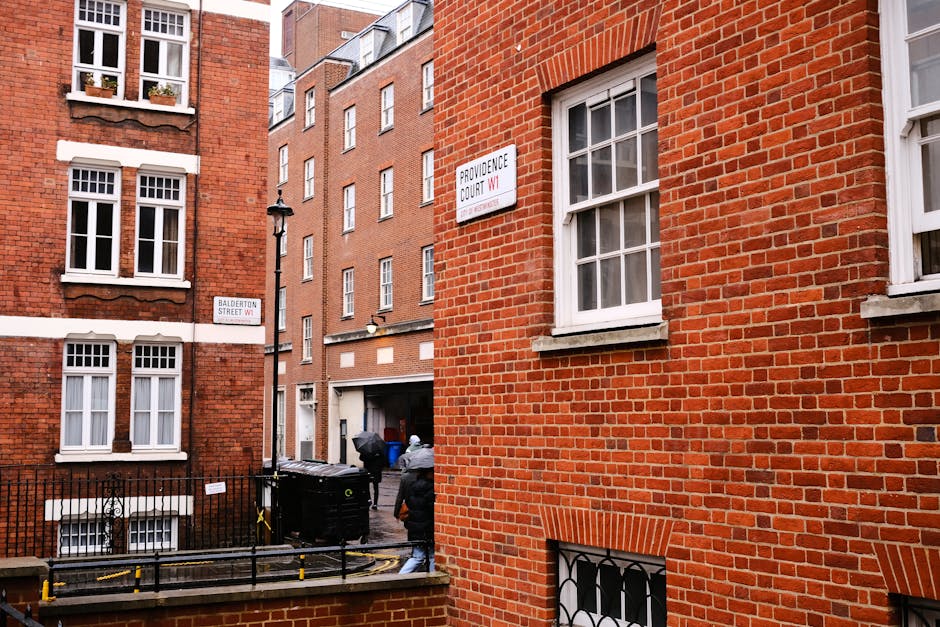
Westminster Council permits for Marylebone moves explained

Moving in Marylebone can feel straightforward right up until you reach the street outside your building. Then the questions start: do you need a parking suspension, a bay booking, a loading exemption, or a full council permit? Westminster Council permits for Marylebone moves explained is really about one thing: getting the van legally and safely close enough to load or unload without turning move day into a parking nightmare. If you have ever watched a removal van circle a narrow one-way street while neighbours try to get past a double-parked car, you will know why this matters.
This guide breaks the process down in plain English. You will learn what council permissions usually cover, why they matter in Marylebone, how to plan the timings, what mistakes cost people time and money, and how to make the whole move feel calmer. A lot calmer, to be fair.
Why Westminster Council permits for Marylebone moves explained matters
Marylebone is not the kind of place where you can assume there will be easy curbside space waiting for you. Streets are busy, parking is controlled, and many addresses sit on roads where a van can block traffic in seconds if the plan is not tight. That is why council permission is often less about paperwork and more about keeping the move moving.
In practical terms, permits or parking permissions help you avoid preventable disruption. They may be needed for a moving vehicle to stop in a restricted bay, pause in a controlled area, or temporarily use a space close to your property. In central London, the difference between a smooth hour and a stressful one is often just whether the vehicle can stop where it is supposed to.
It also matters because Marylebone has a mix of period mansion blocks, townhouses, mews properties and modern flats. Some have tight entrances, limited forecourts, awkward stairwells or no realistic loading area at all. If the van ends up several doors away, the crew spends longer carrying items, the lift gets used more, and delicate items are exposed for longer. You feel that difference on the day.
Expert summary: if your move needs the van to pause on a restricted road, in a controlled bay, or anywhere with limited stopping space, planning permission or a parking arrangement should be treated as part of the move itself, not an afterthought.
For homeowners, renters, landlords and office managers alike, the same truth applies: in a place like Marylebone, parking strategy is part of moving strategy. It is not glamorous, but it is what keeps the day from wobbling.
How Westminster Council permits for Marylebone moves explained works
The exact permission needed depends on where the vehicle will stop, how long it will stay, and what restrictions apply on that street. In Westminster, moving-day arrangements may involve parking suspensions, temporary use of bays, or other council-managed permissions for loading and unloading. The names matter less than the outcome: you want a lawful place for the van to stand while items are moved.
Here is the simple version. First, identify the pick-up and delivery addresses. Then check the street layout, restrictions, and any on-street parking control around both ends. If a van cannot legally stop where you need it to, the move needs permission or a different loading plan. Some buildings also have their own rules, especially larger blocks with concierge desks or managed access.
In Marylebone, the timing can matter just as much as the location. Mid-morning on a weekday may be very different from an early Saturday start. School runs, deliveries, event traffic and resident parking all change the feel of the road. On one move, a van can pull neatly into a bay. On another, the same spot is already occupied or time-limited. That is London for you.
When people ask whether they can just "risk it for ten minutes", the honest answer is usually no. Enforcement is not a theoretical issue. If a vehicle is left in the wrong place, the move can be interrupted, delayed, or made more expensive by avoidable parking problems. It is one of those situations where the cheap shortcut often turns into the costly one.
For more detail on local moving support and the sort of service that works well in tight streets, see our services overview and the page for man with van help in Marylebone. If your move involves larger furniture or a more complex property layout, it can also help to review house removals in Marylebone or flat removals in Marylebone.
Key benefits and practical advantages
Getting the parking side right does more than keep you legal. It sets the tone for the whole day. And on moving day, tone matters more than people expect.
- Less delay: the crew starts loading sooner, which usually means less waiting around and less stress.
- Lower carrying distance: shorter walks reduce the chance of knocks, scuffs and tired hands dropping something awkward.
- Better timing: permission helps the schedule stay close to plan, especially if you are booked into a building slot or lift window.
- Fewer disputes: neighbours, wardens and building managers tend to be calmer when the arrangement is clearly thought through.
- More efficient use of the van: if the vehicle can park properly, the team can organise loads more sensibly and safely.
There is also a quiet financial benefit. When a move drags because the van cannot stop near the property, the labour time increases. Nobody likes paying for inefficiency, and frankly nobody enjoys watching time disappear because a loading point was never confirmed.
For renters, especially those moving between flats, this can make the difference between a tidy half-day and a messy all-day affair. For small offices, it can protect the schedule and reduce downtime. If you are moving a workspace, take a look at office removals in Marylebone and office removals Marylebone W1 for a more tailored setup.
Who this is for and when it makes sense
Not every move needs the same level of council involvement. A ground-floor flat on a quiet side street may need very little beyond common sense and a well-timed van. But plenty of Marylebone moves do need extra planning.
This is usually relevant if you are:
- moving from or into a flat with no private driveway or forecourt;
- using a van on a street with controlled parking, loading limits or narrow access;
- relocating on a busy weekday when the road is likely to be occupied;
- moving furniture that needs the van to stop very close to the entrance;
- working to building access slots, lift bookings or concierge rules;
- handling an office move where timing and access matter all day long.
Student moves are a classic example. They often happen quickly, with more boxes than expected and not enough hands on deck. If that sounds familiar, student removals in Marylebone can be a practical option, especially when you need the van access to be sorted neatly and without fuss.
Family homes can be just as tricky, particularly where stairs, fragile furniture or awkward corners are involved. If you have a piano, a large wardrobe or period furniture that will not forgive a narrow turn, the parking plan becomes even more important. That is where piano removals in Marylebone and furniture removals in Marylebone can sit alongside the permit conversation.
Step-by-step guidance
Here is the practical way to handle it without overcomplicating things.
- Check both addresses. Look at where the van will stop for loading and unloading, not just where the property is.
- Note the road restrictions. Pay attention to yellow lines, resident bays, loading bays, single yellow periods, and any signs around time limits.
- Decide whether the van needs reserved space. If stopping space is scarce, a parking suspension or council-managed arrangement may be the safer route.
- Build in lead time. Do not leave permit arrangements for the last minute. If your move is on a tight date, this is the bit that bites people.
- Tell your removals team early. The crew needs to know the access plan, the likely walk distance, and whether a second stop or shuttle carry might be needed.
- Confirm building rules. Some flats and managed buildings need notice before move-in or move-out. A concierge can be helpful, but only if informed in advance.
- Have a backup plan. If the planned space is taken, know where the van can safely wait, even if it is not ideal.
A simple example: you are moving from a third-floor flat near Baker Street to another apartment a few streets away. If both ends are busy and the road furniture makes turning awkward, the move may look short on a map but feel much bigger in reality. A little planning here saves a lot of grumbling later.
If you are comparing service styles, it may help to look at man with a van Marylebone W1, man and van Marylebone, and removal van Marylebone. The right choice depends on access, volume and how much handling the move needs.
Expert tips for better results
A few small decisions make a big difference. These are the ones that tend to save the most time.
- Map the route for the van, not just for you. A street can look fine on foot and still be awkward for a larger vehicle.
- Keep a loading window buffer. Even ten to fifteen extra minutes can help if traffic builds or a neighbour's car appears in the wrong place.
- Label your boxes clearly. If the van is parked a little further away than planned, the crew should still be able to work efficiently when things come off.
- Protect the property entrance. In Marylebone's period buildings, the first few metres matter. Door frames and bannisters can be unforgiving. Very unforgiving.
- Use packing support where needed. Good packing reduces the stress of longer carries and repeated handling. See packing and boxes in Marylebone if you want to tighten up the preparation side.
Here is one detail people miss: if your move-out and move-in addresses are both tricky, the whole day benefits from one consistent plan. Do not treat each end as separate. Think of them as connected halves of the same job.
And if time is truly tight, it can be worth looking at same day removals in Marylebone. Sometimes the issue is not volume, it is speed and access.
Common mistakes to avoid
Most moving problems are not dramatic. They are small oversights that snowball. A few of the usual suspects:
- Assuming the street will be clear. In central London, that is rarely a safe assumption.
- Booking the move before checking parking conditions. It should happen the other way around, or at least in parallel.
- Leaving permission to the last working day. Bad idea. Really bad idea.
- Not telling the building manager. This can cause avoidable tension at the exact moment you want everyone relaxed.
- Underestimating how long loading takes. Narrow stairs, lifts, and awkward corners always take longer than expected.
- Forgetting about furniture protection. A permit does not protect a sofa from scraping a wall.
Another one is overlooking storage. If the timing between leaving one home and entering the next does not line up perfectly, temporary storage can take the pressure off. A short gap is all it takes for the whole day to feel much harder. If that is your situation, read storage in Marylebone and storage solutions after a Marylebone move.
Tools, resources and recommendations
You do not need a giant toolkit, just the right bits and a sensible sequence. A move is much smoother when the admin and the physical packing are both handled early.
Useful things to have ready:
- a floor plan or rough sketch of the property;
- the exact addresses, including flat number and postcode;
- move dates and access windows;
- contact details for building managers or concierge staff;
- a list of large, fragile or unusually heavy items;
- boxes and packing materials sized for the job.
If you are still at the planning stage, the following pages may help you get organised in a sensible order: pricing and quotes, removals Marylebone, and removal services Marylebone. For larger or business moves, removal companies Marylebone and office removals Marylebone W1 are useful starting points.
There is also the more general background information on the business itself, including about us, plus pages covering insurance and safety and health and safety policy. That matters when you want to know the basics have been thought through properly.
Law, compliance, standards, or best practice
Because this topic touches parking, road use and moving operations in a busy borough, it is wise to treat compliance as part of the service rather than a side issue. The exact rules can vary by street, time of day and local restriction, so the safest approach is always to check the current council requirements before moving day.
Best practice usually means:
- confirming parking restrictions for both addresses;
- allowing enough time for any council permissions to be arranged;
- making sure the vehicle is parked only where it is authorised to stop;
- keeping access routes clear for pedestrians and neighbours;
- following any building-specific moving rules;
- protecting shared areas, lifts and entrances from damage.
If you are the person organising the move, that does not mean you need to know every detail of transport law. But you do need a workable plan and enough lead time to avoid last-minute improvising. In a place like Marylebone, improvising is where people tend to get caught.
For service standards and wider trust signals, it can be sensible to review terms and conditions, privacy policy, payment and security, and cookie policy. They are not the glamorous part of moving, but they do tell you whether the business is set up in a professional way.
Options, methods, or comparison table
Not every move needs the same level of parking planning. Here is a simple comparison of the usual options.
| Approach | Best for | Pros | Watch-outs |
|---|---|---|---|
| Standard on-street loading | Quiet streets, short moves, easy access | Quick and simple when space is available | Not reliable on busy roads or controlled bays |
| Council-arranged parking permission | Restricted streets, longer loading periods, busier areas | More certainty and less risk of interruption | Needs planning and may have lead-time requirements |
| Shuttle-style carry from a nearby legal stop | Very tight roads or limited stopping space | Flexible when the building frontage is awkward | Longer labour time and more handling |
| Timed move with building access slot | Managed flats, blocks with concierge, offices | Works well when coordinated properly | Late running can create a knock-on delay |
In real life, the best method is often a blend. For example, a van may use an authorised loading spot while a porter or removal team handles the final stretch. That is common in Marylebone and, when planned well, it works nicely.
Case study or real-world example
Picture a move from a second-floor flat near the Wigmore area to a new place closer to Regent's Park. Not a huge distance. On paper, it looks almost easy. But the old building has no private driveway, the new building sits on a busier road, and both properties have narrow entrances with awkward stair turns.
The first instinct might be to book the van and hope for the best. But the better move is to check where the van can stop legally at both ends, confirm the access windows, and decide whether a reserved loading arrangement is needed. In this kind of move, a tiny detail like a blocked bay or a delayed start can ripple through the whole morning.
On the day, the difference is obvious. With the parking sorted, the team can get furniture out in a steady rhythm. One person manages the entrance, one handles the van, and the boxes move without the awkward stop-start that tends to create damage. The air smells like cardboard and tape for a while, there is a bit of lifting noise, maybe a quick laugh about how many books one person can possibly own, and then it settles down. That is what a controlled move looks like. Nothing magical. Just organised.
For routes and local access quirks, you might also find Marylebone High Street removals best local routes, Baker Street moves efficient removals in Marylebone, and W1U flats narrow street removal tips in Marylebone useful if your move is particularly tight.
Practical checklist
Use this checklist before move day. It is simple, but it catches the things people forget when they are busy packing kettle cables and hunting for passport drawers.
- Confirm both addresses and exact postcodes.
- Check parking restrictions at the loading and unloading points.
- Decide whether council permission or a parking suspension is needed.
- Tell your removals team about access limits and time windows.
- Notify building management or concierge staff if required.
- Reserve boxes, tape and protective materials early.
- Measure large furniture against doorways, stairs and lifts.
- Plan the route the van will use, not just the route you will walk.
- Keep keys, phone chargers and important documents separate.
- Have a fallback plan if the intended parking space is unavailable.
If you are moving out quickly, it can also help to read emergency flat clearances in Marylebone fast response. The pace is different, but the access planning mindset is the same.
One small but useful habit: take photos of the street and entrance before loading begins. Not for drama. Just for clarity if anyone disputes where the van was meant to stop.
Get a free quote today and see how much you can save.
Conclusion
Westminster Council permits for Marylebone moves explained comes down to simple, practical thinking: know where the van will stop, make sure it can stop there legally, and allow enough time for the realities of central London. When you get the access side right, everything else becomes easier. Boxes move faster, furniture is handled more safely, and the day feels less like a scramble.
Marylebone has its own rhythm. Busy roads, elegant buildings, tight corners, short distances that are not actually short at all. Once you respect that rhythm, the move starts to feel manageable. Not effortless. Just manageable. And sometimes that is exactly what you need.
So if you are preparing a move and you are unsure whether parking permission is part of the plan, treat it as a priority rather than a maybe. A little preparation now can save a great deal of faff later, and honestly, that is worth doing properly.
Frequently Asked Questions
Do I always need a Westminster Council permit for a Marylebone move?
Not always. Some moves can be completed with standard legal loading and unloading if the street is suitable. But if the van needs to stop in a restricted or tightly controlled area, you should assume extra permission may be needed until you have checked the location properly.
What kind of permission is usually needed for moving day?
It depends on the street and the length of time the vehicle needs to stop. In practice, people often mean a parking suspension, temporary loading arrangement, or another council-approved permission for a moving vehicle. The right option depends on the exact road conditions.
How far in advance should I plan parking permission?
As early as you can. Leave time for checking restrictions, confirming the access plan, and dealing with any building management requirements. Last-minute arrangements are where the stress tends to start.
Can a removals company help with the permit side?
Yes, many can guide you through the practical steps and tell you what information they need. It is always sensible to ask early, because the vehicle plan and the parking plan should be aligned from the beginning.
What happens if the loading space is taken on the day?
You may need a backup stop, a short carry from a legal nearby space, or a revised loading sequence. That is why it helps to think through alternatives before the van arrives, not after.
Are Marylebone flats harder to move than houses?
Often, yes. Flats can involve lifts, stairs, concierge rules, narrow entrances and tighter on-street access. A house may still need planning, but flats in central areas tend to be more sensitive to parking and timing.
Does office moving need the same kind of planning?
Usually, yes, and sometimes more so. Office moves can depend on delivery windows, building access, and the need to limit business disruption. If you are moving a workplace, the parking detail matters a lot.
What if my move is very small, like a few boxes?
Smaller moves can sometimes be handled more simply, but do not assume that size alone removes the parking issue. Even a small van needs lawful access, especially on busy streets.
How do I know if my street is too narrow for easy loading?
If a larger van would block traffic, struggle to turn, or sit in a bay that is already heavily used, treat it as a warning sign. Narrow streets in Marylebone often need a more careful approach than the map suggests.
Is it better to choose a man and van service or a full removals team?
It depends on the size of the move, the number of items, and how difficult the access is. A simpler move may suit a smaller service, while larger homes, heavy furniture or complex access may justify a fuller removals setup.
What should I tell the removal team before move day?
Tell them the exact addresses, access issues, parking restrictions, building rules, and whether there are any large or fragile items. The more complete the picture, the better the team can plan the job.
Can I combine storage with a delayed move?
Yes, and sometimes that is the smartest option when dates do not line up neatly. Short-term storage can take pressure off a move that has awkward timing or a gap between homes.