Commercial Moves in Marylebone
Professional Office, Retail, and Business Relocation Support in the Heart of London
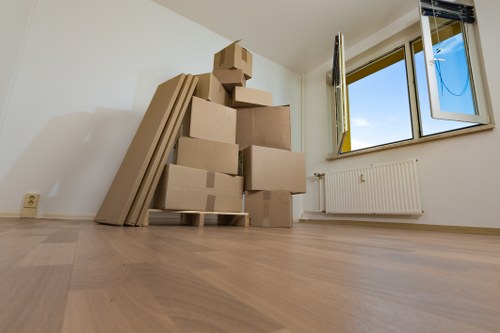
Commercial Moves in Marylebone require more than a vehicle and a few boxes. In this busy central London district, every business relocation has to be planned around tight streets, shared entrances, busy daytime foot traffic, building management rules, and the need to keep disruption to a minimum. Whether you are moving a small consultancy near Baker Street, a boutique practice off Marylebone High Street, a showroom close to Paddington Street, or a multi-floor office in one of the area’s mixed-use buildings, the right moving team can make a major difference.
Marylebone is a distinctive part of the West End. It has elegant residential squares, period buildings converted into offices, medical and professional practices, independent retailers, hospitality venues, and growing service businesses. That variety means no two commercial removals are quite the same. Some moves need careful handling of IT equipment and confidential files. Others involve shop fittings, display stock, sensitive furniture, specialist equipment, or after-hours logistics. A good local team understands these differences and works with them, not against them.
If you are planning a business relocation in Marylebone, the main goal is usually simple: move efficiently, protect your assets, and avoid unnecessary downtime. That can mean planning around office hours, coordinating with building access requirements, protecting shared lobbies, arranging lift use, and managing parking restrictions in an area where every minute counts. This is where a specialist service is valuable. Local experience matters when the streets are busy, access is limited, and the building layout is not straightforward.
Why Commercial Relocations in Marylebone Need Careful Planning

Marylebone is not a typical suburban business district. The area combines Georgian terraces, mansion blocks, modern office suites, converted townhouses, and ground-floor commercial spaces with residential units above. This creates a unique mix of access conditions. Loading bays may be limited. Parking restrictions may apply. Some buildings have narrow stairwells or small lifts. Others require advance booking for move-in windows or proof of insurance before work can begin.
For local companies, these details matter because they influence the whole move from start to finish. A retail relocation on Marylebone High Street may need early morning access to avoid peak shopping hours. A professional practice near Harley Street may have strict requirements for quiet handling and secure document transport. A restaurant or hospitality venue may need equipment dismantled, labelled, and reinstalled in a precise sequence. The best moving plan starts with the property type, the access route, and the business priorities, not just the distance between premises.
Commercial moves in Marylebone also benefit from a team that understands the local rhythm of the area. Traffic on the surrounding routes can change quickly, and busy periods around Baker Street, Marble Arch, Portland Place, and the lanes near Regent’s Park can affect arrival times and loading schedules. A mover who knows central London logistics can build in sensible timing and reduce stress for staff, clients, and building managers.
Who Uses Commercial Moving Services in Marylebone?

Businesses across Marylebone use relocation services for many reasons: expanding into larger premises, downsizing, renovating existing space, relocating to a better fit, or moving to a more accessible location for clients and staff. The area supports a wide range of commercial customers, including offices, clinics, practices, showrooms, retailers, studios, and independent firms.
A typical commercial removal in this part of London might include one or more of the following:
- Office desks, chairs, cabinets, and meeting room furniture
- IT equipment, monitors, servers, and peripherals
- Archived files and confidential documents
- Retail stock, shelving, and display units
- Reception furniture and client-facing items
- Specialist equipment for medical, legal, or professional settings
- Internal moves within the same building or across multiple floors
Because Marylebone has many smaller offices and character properties, companies often need more than standard transport. They need careful handling, clear labelling, and a team that can work neatly in shared spaces. That applies whether you are moving a single department or an entire business. Commercial removals are often most successful when they are designed around the daily operations of the client, with the least possible interruption to work.
What Is Included in a Commercial Move?
Every project is different, but a strong commercial removals service usually includes a set of practical steps designed to keep the process organised and secure. In Marylebone, where access and timing are often important, clarity is especially helpful.
Typical inclusions may involve:
- Pre-move assessment to understand the layout, item volume, and access conditions
- Move planning to set times, loading arrangements, and sequencing
- Packing support for office items, documents, and fragile equipment
- Furniture dismantling and reassembly where required
- Safe transport using suitable vehicles and protective materials
- Placement at the new premises according to your floor plan or instructions
- Clear communication with building managers or site contacts if needed
Depending on the job, the service can also cover move-only transport, full packing and unpacking, phased relocations, or out-of-hours work. For many Marylebone businesses, the ability to schedule around clients and staff is just as important as the physical lifting. That is why many companies ask for a move approach that is tailored rather than standardised.
Good commercial removals are about continuity. The aim is not just to get items from one place to another. It is to make sure your business can get back to normal as quickly and smoothly as possible.
Local Challenges to Expect in Marylebone

Marylebone’s central location gives businesses excellent access to the wider West End and nearby districts such as Fitzrovia, Mayfair, Bloomsbury, and Paddington. At the same time, the area brings practical challenges that should be considered early. A local commercial removals team can help you prepare for these realities instead of treating them as surprises on moving day.
Common local issues include:
- Restricted loading and unloading space around busy streets and narrow side roads
- Parking limitations that require precise planning and timing
- Shared entrances and lifts in mixed-use or multi-occupancy buildings
- Period building layouts with stairs, corridors, and doorways that limit movement
- High foot traffic near retail and hospitality premises
- Building management requirements such as approved time windows or protection for communal areas
These are not reasons to avoid moving; they are reasons to plan properly. A commercial relocation in Marylebone often runs best when the route in, the route out, and the unloading point are all checked in advance. If your business has client appointments, deliveries, or staff arriving on a fixed schedule, careful coordination can reduce delays and keep everyone informed.
For businesses in nearby areas too, the same issues often apply. Relocations around Regent’s Park, Harley Street, Baker Street, Marble Arch, and the streets between them frequently need a calm, well-paced approach. Experienced local movers understand how to work in central London without creating avoidable disruption.
How a Commercial Move Is Usually Carried Out
The exact process depends on the size and type of business, but most successful moves follow a clear sequence. This helps keep tasks organised and reduces the risk of missing essential items.
Step-by-step, a typical move may look like this:
- Initial discussion to understand your premises, inventory, and deadlines
- Site review to assess access, parking, lifts, stairs, and packing needs
- Move plan based on business hours, building rules, and any sensitive items
- Packing and labelling so equipment and files can be identified quickly
- Furniture disassembly if large desks, shelving, or conference tables need it
- Transport and delivery with careful handling throughout
- Placement and setup in the new premises according to the agreed layout
Some clients choose to move in phases rather than all at once. That can be helpful for businesses that need to stay partially operational. Others prefer an evening or weekend move so Monday can begin in the new location. The right choice depends on your schedule, the type of operation, and how quickly you want the relocation completed.
Book your service now if your timeline is fixed. Early planning is often the simplest way to protect productivity and reduce last-minute stress.
Preparing Your Team and Premises for the Move

Preparation is one of the biggest factors in a smooth commercial relocation. Even a well-organised moving crew can only work efficiently if the business is ready for the handover. In Marylebone, where office space and retail units often sit inside shared or managed buildings, simple preparation can make a large difference.
Useful preparation steps include:
- Assigning a move coordinator inside your business
- Creating a list of essential items that must be moved first
- Back up and secure important digital data before moving day
- Label desks, boxes, and equipment by department or destination room
- Notify staff of timings, access rules, and personal packing responsibilities
- Check whether the building needs advance notice or protective coverings for common areas
- Arrange safe disposal, recycling, or storage for items you no longer need
If you operate a customer-facing business, think about how the move affects your appointments or trading hours. A retail shop may need to protect stock and display pieces. A clinic or practice may need confidential files and specialist items handled separately. An office may need a clean handover of IT, stationery, and furniture in stages. The more detail you sort early, the easier move day becomes.
Preparation is not about making the move perfect. It is about making it predictable, so the moving team can work quickly and you can get back to business.
Pricing Factors for Commercial Moves in Marylebone
Commercial moving costs depend on several practical factors rather than a simple flat rate. Because every business has different requirements, reputable movers usually assess the job based on the scope of work, access conditions, and service level needed.
Common pricing factors include:
- Size of the move and volume of items
- Distance between the old and new premises
- Number of floors, stairs, or lift restrictions
- Need for packing, dismantling, or reassembly
- Out-of-hours, evening, or weekend scheduling
- Special handling for fragile, bulky, or sensitive equipment
- Parking, loading access, and local traffic conditions
In Marylebone, access can be a major factor because the route in and out may take longer than expected if the area is busy or if the property is on a narrow street. That is why a detailed quotation is useful. It helps you compare services like-for-like and understand what is included. If you are planning a move for a business in a converted townhouse, a managed office, or a retail unit with rear access only, make sure those details are discussed from the start.
Request a free quote when you are ready. A proper assessment should help you make a clear decision without hidden assumptions.
Why Choose a Local Company for Commercial Moves in Marylebone?
A local mover brings more than proximity. They bring familiarity with central London operating conditions and an understanding of how Marylebone businesses actually function. That local awareness can save time and reduce friction at every stage of the move.
Benefits of choosing a local team include:
- Better understanding of local streets, access routes, and timing
- Familiarity with the building types common in Marylebone
- Ability to plan around shared entrances, loading limits, and restricted areas
- More practical scheduling for nearby commercial districts
- Clearer communication when plans need to change on the day
Local experience is especially useful for companies that operate close to major routes and busy business districts. Marylebone’s blend of office properties, medical practices, retail spaces, and hospitality venues means a mover needs to adapt quickly. A one-size-fits-all approach is rarely ideal in this part of London. Businesses here often need a team that is flexible, organised, and comfortable working in tight urban settings.
Commercial relocations in Marylebone are often easiest when handled by a company that understands both the practical and professional demands of the area. That includes being neat in shared spaces, respectful of neighbours, and efficient under time pressure.
Types of Commercial Premises Served
Marylebone has a broad mix of business premises, and the moving approach should reflect that. Different property types bring different handling concerns, different access challenges, and different priorities for the business owner or manager.
Common commercial premises in and around Marylebone include:
- Private offices and co-working suites
- Medical, dental, and professional practices
- Retail units and boutiques
- Hospitality venues such as cafés, restaurants, and bars
- Studios, consultancies, and creative spaces
- Managed office floors in mixed-use buildings
- Showrooms and client meeting spaces
Each of these property types may need a different moving method. Offices often need labelling and fast reinstallation. Retail spaces may need stock protection and careful attention to shop fittings. Practices may need secure handling of records and equipment. Hospitality clients may require the safe movement of bulky items, appliances, or furnishings. That is why a short conversation before the move can make such a difference to the outcome.
Flexibility is key when moving businesses in a district as varied as Marylebone.
How to Reduce Downtime During a Business Relocation
One of the main concerns for any commercial customer is downtime. In a busy district like Marylebone, even a short interruption can affect appointments, sales, or customer service. That is why the best moving plans focus not just on transport, but on continuity.
Practical ways to reduce downtime include:
- Choosing a move time outside your busiest operating hours
- Moving in phases so essential services stay available
- Prioritising IT, phones, and workstations for early setup
- Using clear labels so items go directly to the correct room
- Preparing staff in advance so they know what to pack and when
- Ensuring the new premises are ready before the moving team arrives
For some businesses, especially those serving clients by appointment, it may be worth scheduling the relocation over a weekend or after hours. For others, a same-day move with a structured handover may be enough. The right answer depends on your workflow. A practical mover will help you think through the sequence so that important operations can resume as quickly as possible.
Contact us today if you want to talk through a move that protects your trading time as much as your equipment.
What to Ask Before Booking Commercial Moves in Marylebone
If you are comparing services, it helps to ask the right questions before booking. This gives you a clearer sense of how a company works and whether they are suited to your building, schedule, and business type.
Useful questions include:
- Have you handled office or retail moves in central London before?
- Can you work within our preferred time window?
- How do you manage access, parking, and loading in busy areas?
- Can furniture be dismantled and reassembled if needed?
- Do you offer packing support for fragile or confidential items?
- How will items be labelled and placed at the destination?
- What do you need from us before move day?
These questions are especially relevant in Marylebone because the details matter. If a building has lift restrictions or a tight stairwell, you want the team to know that in advance. If you have specialist equipment or sensitive records, you want clear procedures for handling them. And if your business runs on appointments, you need a company that can work to a schedule without unnecessary delays.
A well-chosen mover will make the process feel structured rather than chaotic.
Areas Covered Around Marylebone
Commercial customers in Marylebone often need service not just in the immediate village-style district, but also in nearby central London locations where business premises share the same access challenges. A local team may regularly assist in surrounding areas such as Baker Street, Regent’s Park, Fitzrovia, Mayfair, Marble Arch, Paddington, and the edges of Westminster and the West End.
Because many of these locations are close together, businesses often relocate between neighbouring streets or nearby districts rather than across the city. That can be convenient, but it does not remove the need for planning. In fact, short-distance commercial moves can be especially time-sensitive because staff may expect the transition to be quick and uninterrupted. Working with a team that understands these nearby areas helps keep the process efficient and predictable.
Marylebone also attracts a range of tenants in converted townhouses, purpose-built offices, and modern mixed-use spaces. That variety means the move method should be tailored to the building, not just the postcode. If you are moving within the area or arriving from one of the neighbouring districts, a local service can help with timing, access checks, and the best loading approach for your premises.
FAQs About Commercial Moves in Marylebone
Can commercial moves be done outside business hours?
Yes, many businesses prefer evening or weekend moves to limit disruption. This is often a practical choice for offices, clinics, and customer-facing premises in Marylebone where daytime trading or appointments must continue uninterrupted.
Do you move fragile office equipment and IT?
Commercial relocations often include IT equipment, screens, and other sensitive items. These should be packed and labelled carefully so they can be transported safely and set up in the correct place at the destination.
What if my building has limited access?
That is common in Marylebone. Narrow entrances, shared lifts, and restricted loading areas are all part of the area’s commercial environment. A local team can plan around these conditions and choose the most practical method for your premises.
Can you help with internal office moves as well as full relocations?
Yes. Many businesses need help moving departments within the same building, shifting stockroom items, or reorganising floors during a refurbishment. Internal moves can be just as important as full relocations because they affect how the business functions day to day.
How far in advance should I book?
It is best to book as early as possible, especially if you need a specific time slot or an out-of-hours move. Early booking gives more time to plan access, packaging, and coordination with your building or operations team.
What should I prepare before the movers arrive?
Have everything labelled, confirm what is being moved, secure confidential files, and make sure the destination is ready for delivery. If possible, appoint one person to oversee the move and answer questions on the day.
Ready to Plan Your Move?
If your business is preparing for a relocation in Marylebone, the right support can save time, reduce stress, and protect your equipment and operations. From offices and practices to retail units and mixed-use premises, a well-planned commercial move keeps your team focused on work while the logistics are handled carefully.
Commercial Moves in Marylebone are easiest when the process is tailored to your property, your timetable, and the practical realities of central London. Whether you need help with packing, transport, dismantling, reassembly, or a phased relocation, a local service can help you move with confidence.
Contact us today to discuss your requirements, request a free quote, or book your service now. If you are planning ahead, getting the details sorted early can make the whole move far smoother.
For businesses in Marylebone, thoughtful planning is the difference between disruption and a clean transition.